

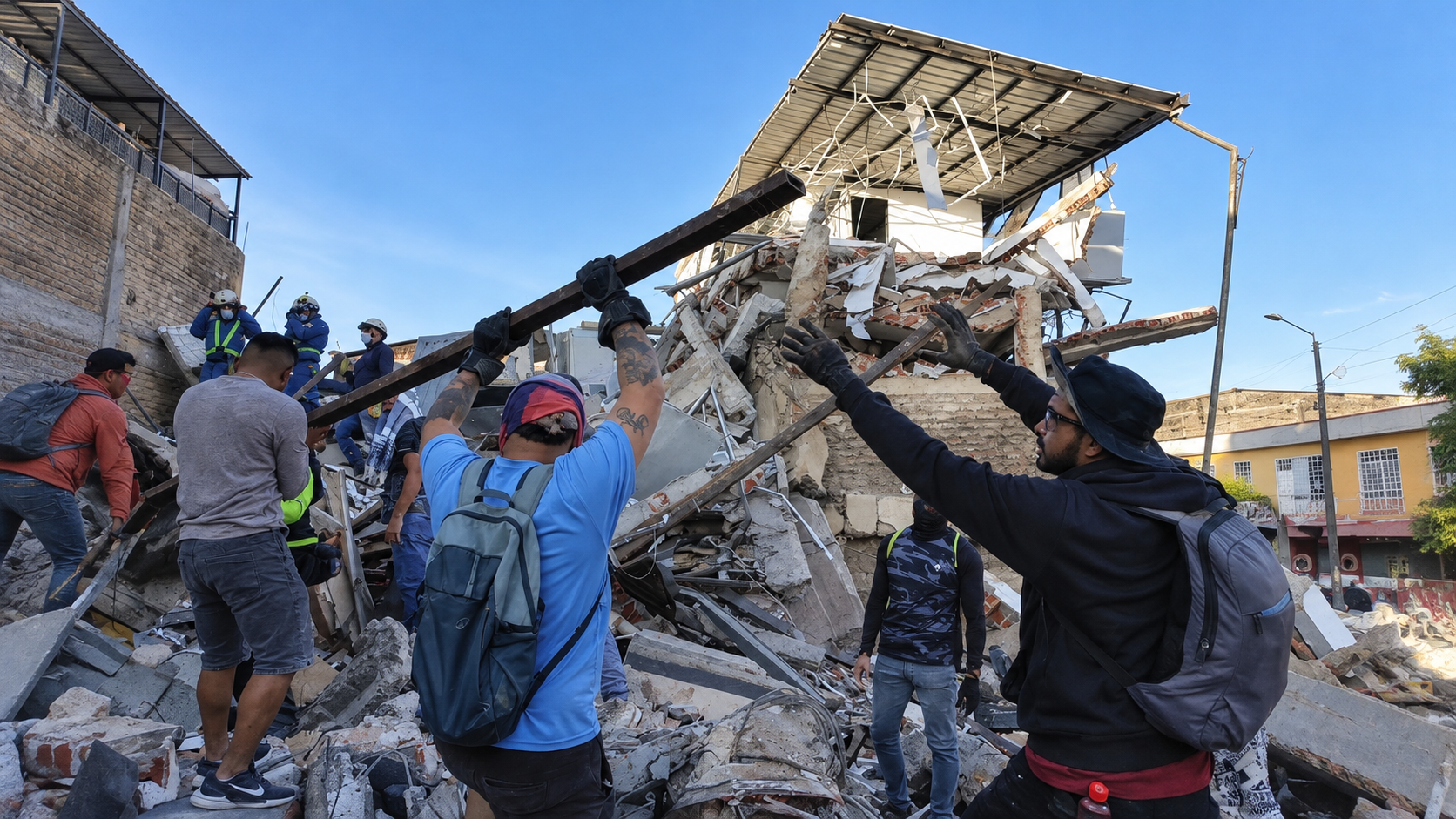
A powerful earthquake struck Panama on Friday, shaking buildings across the country, prompting evacuations and damaging structures in several provinces. The magnitude 7.7 tremor was followed by numerous aftershocks, leaving residents assessing the damage and waiting for further safety guidance as emergency teams examined affected areas.
The United States Geological Survey (USGS) recorded the main earthquake at magnitude 7.7, with its epicentre near Pitaloza Arriba in Panama’s Herrera province. The tremor struck at a depth of approximately 12.6 kilometres, according to the agency’s event data. The shaking was felt in Panama City and across parts of neighbouring Colombia.
Although the earthquake caused damage and disrupted normal activity, early reports indicated that Panama had avoided the widespread destruction initially feared. Authorities and emergency services continued assessing the situation as further tremors were recorded.
Where the Earthquake Struck
The earthquake’s epicentre was located near Pitaloza Arriba, a community in central Panama. The initial USGS estimate was revised before the agency settled on magnitude 7.7, illustrating how earthquake measurements can be updated as additional seismic data become available.
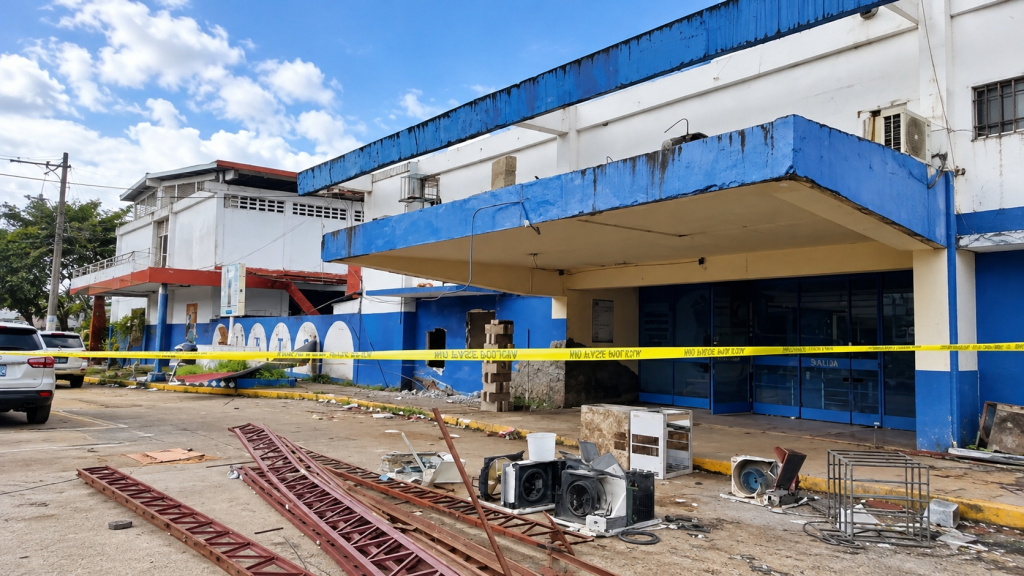
Residents in the capital rushed out of buildings as the shaking spread across the country. In affected communities, the tremor damaged homes, roads and other structures. Some buildings suffered serious structural damage, while reports from central provinces described collapsed sections of buildings and damage to historic sites.
The effects were not limited to the immediate area around the epicentre. The earthquake’s reach across several provinces created a wider challenge for authorities, who needed to establish which buildings were safe, identify damaged infrastructure and communicate reliable information to residents.
Buildings Damaged as Residents Evacuate
Reports from central Panama described damage to homes and public buildings, including historic structures in the provinces of Herrera, Veraguas and Los Santos. In La Villa de Los Santos, a historic church was among the structures reported to have collapsed or sustained severe damage. Other reports described damage to buildings in Penonomé and surrounding communities.
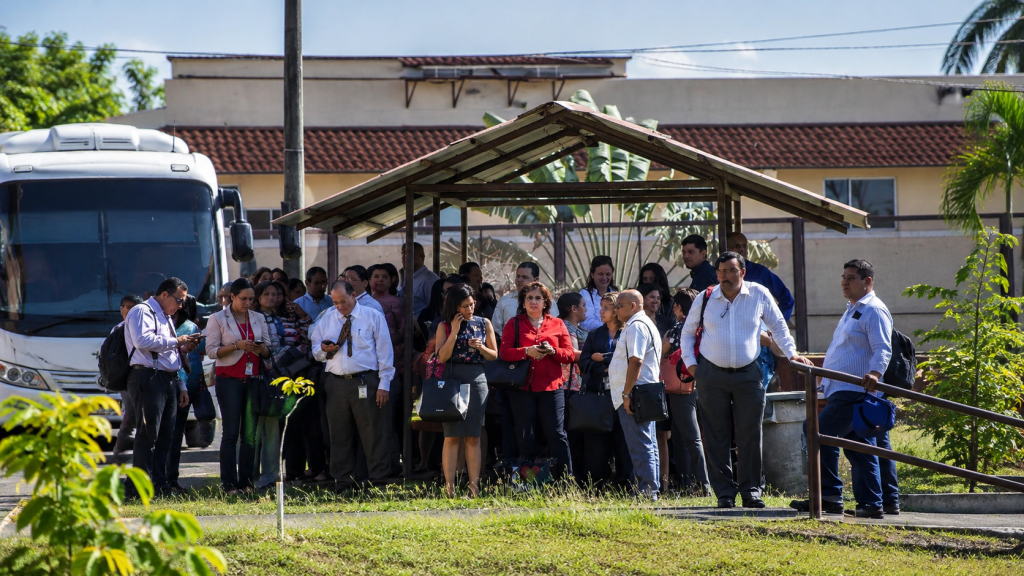
The earthquake also disrupted daily life in Panama City. Office workers and residents evacuated buildings and gathered outdoors while waiting for information about whether it was safe to return. Some people faced delays getting home as traffic conditions deteriorated during the emergency response.
Damage assessments are particularly important after a powerful earthquake because buildings that remain standing may still have structural weaknesses. Cracked walls, damaged supports and other problems can create risks even after the strongest shaking has ended. Residents should therefore follow official instructions and avoid entering buildings that have been declared unsafe.
Aftershocks Keep Communities on Alert
More than 40 aftershocks were reported following the main earthquake in the initial reporting period, adding to concerns among residents already dealing with damaged buildings and disrupted services. Some of the subsequent tremors were strong enough to be recorded at magnitudes above 5.
Aftershocks occur as the Earth’s crust adjusts following a major earthquake. Their timing and strength vary, and they can cause additional damage to structures weakened by the original event. Their occurrence does not mean that an even larger earthquake is inevitable, but it makes continued monitoring and appropriate safety precautions important.
The USGS provides updated seismic information through its earthquake monitoring service. Its records can help readers distinguish confirmed seismic measurements from unverified claims circulating on social media.
Did the Earthquake Disrupt the Panama Canal and Airport?
The earthquake raised immediate questions about transport and critical infrastructure in a country that plays an important role in international shipping and regional aviation. The Panama Canal is a major route connecting the Atlantic and Pacific oceans, while Tocumen International Airport serves as a key air-transport hub for Central America and beyond.
According to reporting published by The Guardian, canal operations and activity at the Cobre Panama copper mine continued normally after the earthquake. Tocumen International Airport temporarily suspended flights but subsequently lifted the suspension.
Those updates were reassuring, but they should not be interpreted as confirmation that every road, facility or transport service across Panama was unaffected. Local damage and disruption remained, and travellers were advised to check directly with airlines and relevant authorities for current information.
Why Panama Experiences Earthquakes
Panama sits in a geologically active part of Central America, where interactions between tectonic plates contribute to earthquake activity. The country is also within the broader Pacific Ring of Fire, a region associated with frequent earthquakes and volcanic activity around the Pacific Ocean.
Earthquake damage depends on several factors, not magnitude alone. The depth of the event, distance from populated areas, local ground conditions and the design and condition of buildings all influence how strongly a community is affected.
In this case, the earthquake’s relatively shallow depth and the proximity of affected communities to the epicentre were important considerations in assessing the impact. However, the extent of damage varied across locations, reinforcing the need for local inspections rather than assumptions based solely on the earthquake’s headline magnitude.
What Residents and Travellers Should Know
People in affected areas should follow guidance from Panama’s emergency and civil-protection authorities, remain alert to further shaking and stay away from damaged structures until they have been assessed. Anyone who notices serious structural damage should report it to the relevant local authorities rather than attempting repairs without professional advice.
Travellers should confirm flight schedules with their airlines, check local road conditions and monitor official announcements before travelling through affected areas. Transport services may resume after an initial suspension while inspections and repairs continue elsewhere.
Following the earthquake, tsunami warnings were issued for parts of the region and subsequently lifted, according to initial reporting. People in coastal areas should rely on current official alerts rather than outdated posts or unverified messages shared online.
For verified seismic updates, readers can consult the USGS earthquake map and follow announcements from Panama’s emergency authorities. News reports should be checked against the latest official assessments as information develops.
The Situation Remains Under Assessment
The earthquake has tested Panama’s emergency response and disrupted communities across several provinces, even as major infrastructure operations continued or resumed after temporary interruptions. The continuing priority is to assess damaged buildings, identify areas that require additional precautions and provide residents with reliable safety information.
The full economic and structural impact may take time to establish. Early estimates can change as inspections progress, and the number of reported aftershocks may increase as monitoring continues. The most useful measure of the situation will therefore be the verified findings released by seismic agencies and local authorities.
S.O.B. will continue to follow significant developments and report verified updates as further information becomes available.
Stay Informed with S.O.B.
For more global news and developments across technology, business, entertainment, travel and other important areas, join the Simbad Ozibe Blog newsletter to stay connected with the stories shaping our world.
Stay Ahead. Stay Informed.

Get the latest stories, insights and updates from Simbad Ozibe Blog — covering News, Technology, Business, Finance, Travel, Gaming, Entertainment and more.
Join our growing community and never miss a story worth knowing.