

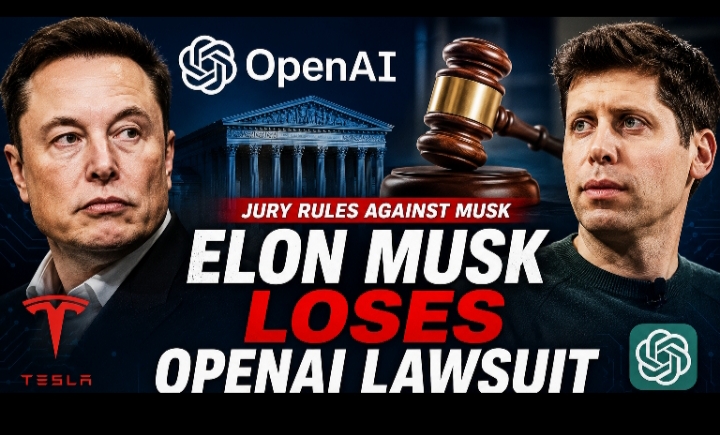
The global tech world is currently reacting to a major legal development involving billionaire entrepreneur Elon Musk and artificial intelligence company OpenAI.
According to multiple court reports, a U.S. jury has ruled against Elon Musk in his high-profile lawsuit against OpenAI and its leadership team, including CEO Sam Altman.
The ruling marks one of the most closely watched legal battles in the AI industry — and its outcome could shape how future disputes involving artificial intelligence companies are handled.
What Happened In The Case?

Elon Musk filed the lawsuit claiming that OpenAI deviated from its original nonprofit mission and moved toward a profit-driven structure.
He argued that this shift violated the founding principles of the organization he helped establish in 2015.
However, according to reports from Reuters, the jury ruled that Musk filed the case too late under legal time limits.
After just hours of deliberation, the court sided with OpenAI’s defense, effectively dismissing Musk’s claims.
Inside The Courtroom Decision
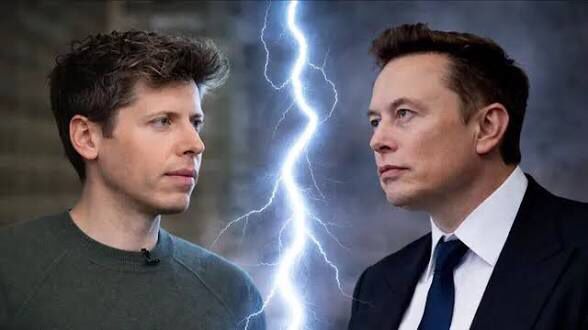
Legal reports confirm that the jury did not fully evaluate whether OpenAI violated its original mission.
Instead, the decision was based on procedural grounds — specifically, that the lawsuit was filed outside the legally allowed timeframe.
This technical ruling means OpenAI avoided a full legal defeat on the core accusations.
Reports from The Guardian describe the verdict as a major victory for Sam Altman and OpenAI.
Why Elon Musk Took OpenAI To Court
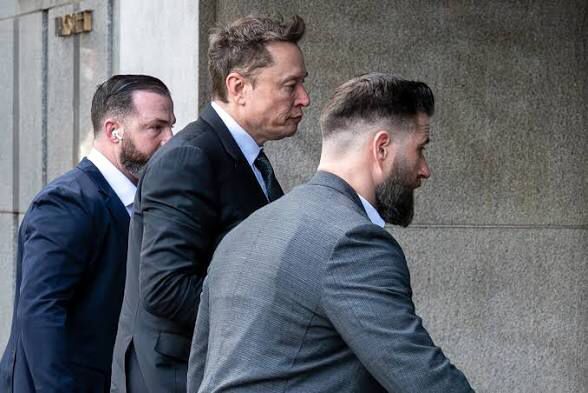 The case stems from long-standing tension between Musk and OpenAI leadership.
Musk argued that OpenAI shifted away from its nonprofit origins and became increasingly aligned with commercial partnerships, including its deep collaboration with Microsoft.
OpenAI, on the other hand, maintained that its structure evolved legally and transparently in response to the competitive AI landscape.
More background on OpenAI’s structure can be found on its official profile:
OpenAI Wikipedia page.
What This Means For The AI Industry

This ruling is being seen as a major moment in the global AI race.
OpenAI is widely considered one of the leading companies shaping artificial intelligence development, especially with tools like ChatGPT.
Industry analysts believe this outcome strengthens OpenAI’s position as it continues expanding toward a potential future IPO.
At the same time, it raises deeper questions about how AI companies evolve from nonprofit origins into large commercial enterprises.
Elon Musk’s Next Move
Although Musk lost the case, legal experts suggest the story may not be over yet.
There are indications that his legal team may consider appealing the ruling or pursuing related claims through other legal avenues.
Musk remains one of the most influential figures in technology, leading companies like Tesla, SpaceX, and xAI.
More on his profile here:
Elon Musk biography.
Final Thoughts
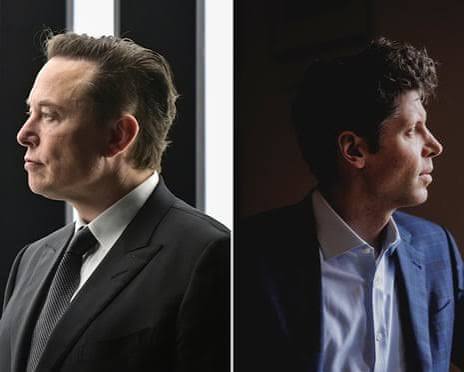
The verdict in favor of OpenAI marks a turning point in one of the most important legal disputes in the artificial intelligence era.
While Elon Musk’s arguments sparked global debate, the court’s decision ultimately reinforces how strongly procedural law can shape high-stakes tech battles.
As AI continues to evolve rapidly, similar legal and ethical conflicts are expected to become even more common.
What Do You Think?
Should AI companies be held more strictly to their original founding missions?
Or should they be allowed to evolve freely as the industry changes?
Drop your thoughts in the comments below.
Don’t forget to subscribe to push notifications on Simbad Ozibe Blog so you never miss breaking global news.
Follow us on
Facebook,
TikTok,
Instagram,
YouTube
Videos to Watch
Stay Ahead. Stay Informed.

Get the latest stories, insights and updates from Simbad Ozibe Blog — covering News, Technology, Business, Finance, Travel, Gaming, Entertainment and more.
Join our growing community and never miss a story worth knowing.