
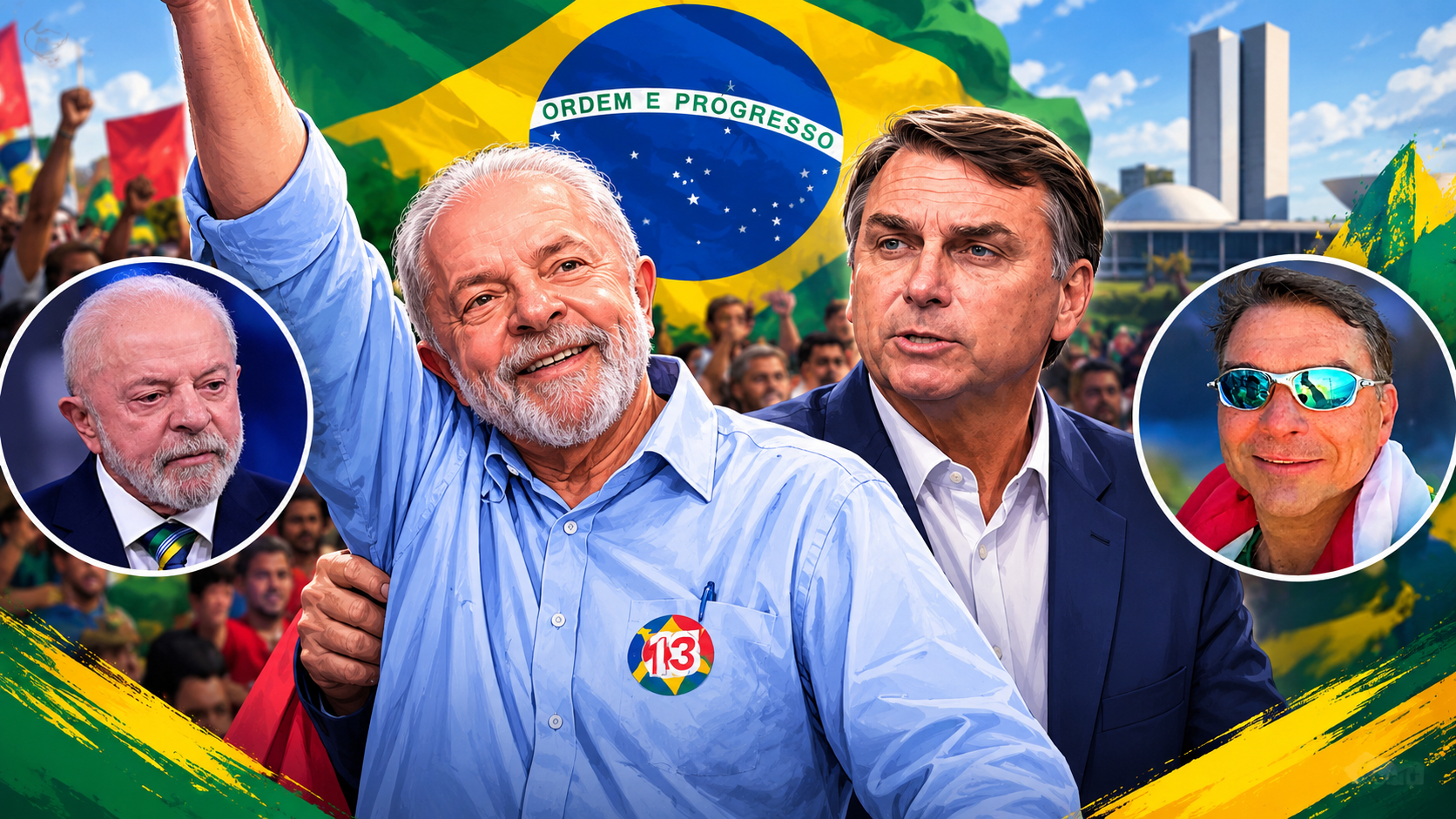
Brazil has entered a new period of political uncertainty after President Luiz Inácio Lula da Silva secured re-election on October 25, defeating Senator Flávio Bolsonaro in a closely contested presidential runoff. The result has been confirmed by the country’s electoral authority, but Bolsonaro says he intends to challenge the outcome, placing the election process and its final legal implications under renewed scrutiny.
The dispute has also drawn international attention, with social media users calling on United States President Donald Trump to pay attention to developments in Brazil. The online reaction reflects the country’s political divisions and the wider international significance of the relationship between Brazil and the United States.
However, the central facts remain important: Brazil’s electoral authority declared Lula the winner, and the controversy surrounding voting hours does not, by itself, establish that the election was fraudulent.
Brazil Election 2026: The Official Results
According to Brazil’s Superior Electoral Court (TSE), Lula received 64,256,232 votes, representing 51.79% of valid votes. Flávio Bolsonaro received 59,826,041 votes, or 48.21%.
The outcome gives Lula a fourth, non-consecutive presidential term and extends his political leadership in Latin America’s largest economy. The result was announced after a closely watched campaign that exposed deep divisions over economic policy, public security, social programmes and Brazil’s international relationships.
| Election detail | Confirmed information |
|---|---|
| Election | Brazilian presidential runoff, October 25, 2026 |
| Declared winner | Luiz Inácio Lula da Silva |
| Lula’s valid-vote share | 51.79% |
| Flávio Bolsonaro’s valid-vote share | 48.21% |
| Lula’s total votes | 64,256,232 |
| Flávio Bolsonaro’s total votes | 59,826,041 |
| Main controversy | A last-minute extension of voting hours |
Source: Brazil’s Superior Electoral Court. Figures are from its published election announcement.
Why Is Flávio Bolsonaro Challenging the Result?
The dispute centres partly on a last-minute decision to extend voting hours by two hours. The decision followed complaints about difficulties affecting voters, including transport disruptions and severe weather in some locations.
The circumstances are politically sensitive because the decision was made after the scheduled closing time, when some electronic voting machines had already been closed. The electoral authority subsequently had to manage operational adjustments during the counting process.
There is an important detail that can be lost in social media discussions: both presidential campaigns sought extensions under different circumstances. Lula’s campaign requested broader relief over alleged transport problems, while Flávio Bolsonaro’s campaign also sought extensions in certain areas affected by adverse conditions.
Bolsonaro has criticised the decision and indicated that he will seek to annul the election result. His challenge raises questions about the legal basis for the extension, how the decision was implemented and whether the electoral authorities’ procedures complied with applicable rules.
Nevertheless, a demand to annul an election is not the same as a court ruling that the result is invalid. The allegations must be assessed through the appropriate legal process and supported by evidence. The electoral authority has announced Lula as the winner.
For further reporting on the result and the challenge, readers can consult the Associated Press report on Lula’s victory and Bolsonaro’s response.
Why Are People Asking Donald Trump to “Save Brazil”?
Subscribe to our newsletter!
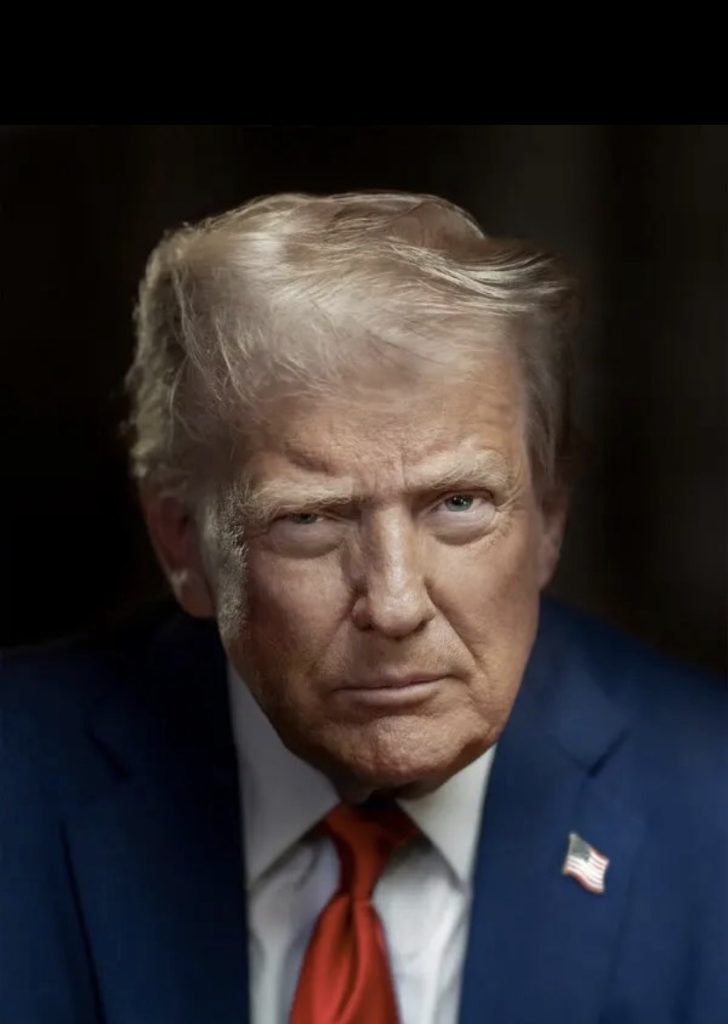
Following the result, comments calling on Trump to “Save Brazil” have appeared on social media posts associated with the US president. Some commenters are expressing concern about the election process and asking for international attention, while others are urging Trump to intervene in Brazil’s political affairs.
The reaction is connected to the ideological and diplomatic divide between Lula and the Bolsonaro political movement. Flávio Bolsonaro has been aligned with the political right and has advocated closer ties with Trump’s administration. Lula, meanwhile, has defended Brazil’s sovereignty and pursued a different political and diplomatic approach.
These connections help explain why the election has become a subject of international discussion. They do not, however, establish that the United States has made a formal commitment to intervene or that the social media comments represent the views of all Brazilians.
Online comments can reveal public concerns and political mobilisation, but they are not independently verified evidence of election misconduct. Any allegation of fraud, interference or an unconstitutional seizure of power requires specific evidence and careful verification.
What the Election Means for Brazil and Its International Relationships
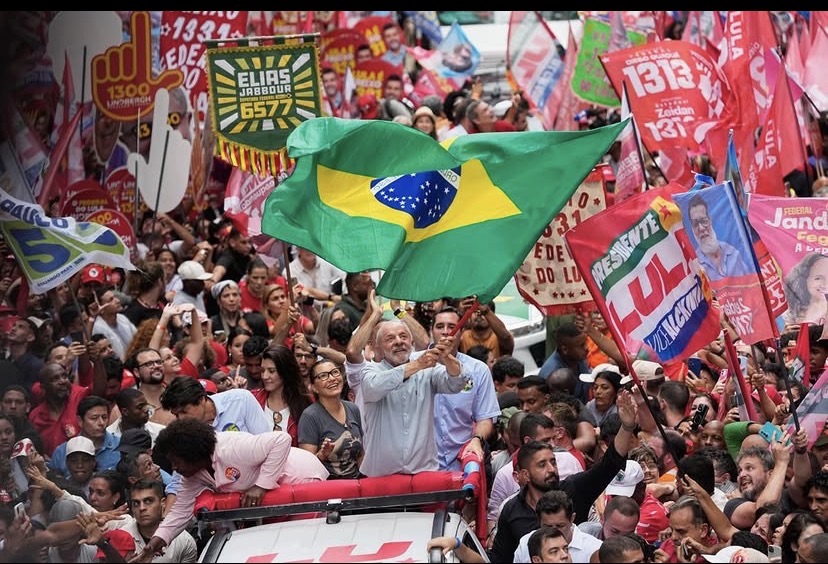
Lula’s victory means that Brazil’s political direction will continue under a president who has frequently emphasised social policy, environmental protection, multilateral cooperation and national sovereignty. His next term will also unfold amid continuing domestic debates over the cost of living, public safety, economic growth and government accountability.
The close result highlights the scale of Brazil’s political polarisation. With nearly half of valid votes going to Bolsonaro, the incoming administration will face the challenge of governing a country in which competing political movements have sharply different priorities.
The result also matters beyond Brazil. As Latin America’s largest economy, Brazil has an important role in regional trade, climate diplomacy, international institutions and relations with major powers, including the United States and China. Political tension between Brasília and Washington could therefore have implications for diplomacy, commerce and cooperation on global issues.
Those consequences will depend on decisions made by both governments. The election result alone does not determine the future course of bilateral relations.
What Happens Next?
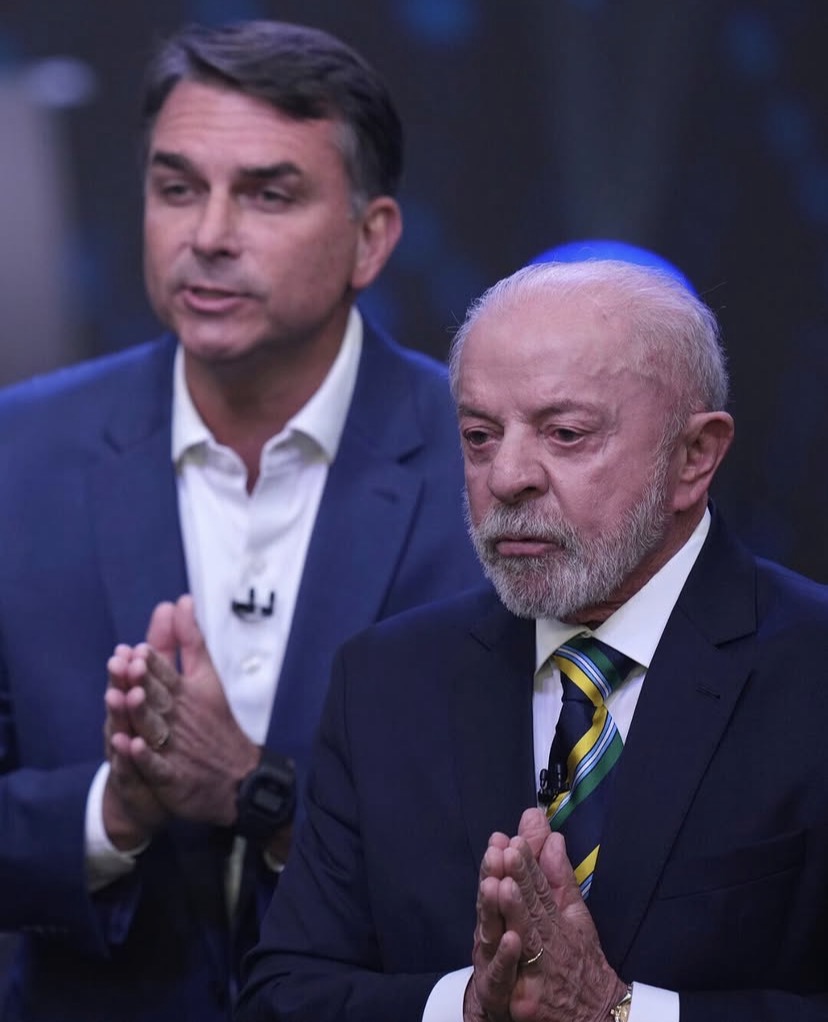
The next stage will depend on the formal steps taken by Bolsonaro’s campaign and how Brazil’s electoral institutions respond. Any legal challenge will need to be considered through the country’s established procedures, with the relevant evidence and arguments examined by the competent authorities.
Until then, the distinction between a political allegation and a legally established finding remains essential. The election authority has declared Lula the winner, while Bolsonaro’s stated intention to challenge the result keeps the dispute in the public conversation.
International reactions and social media discussions may continue, but developments should be assessed against official announcements, court decisions and independently verified reporting rather than viral claims alone.
The Bigger Picture
Brazil’s 2026 presidential election has produced both a clear official winner and a contentious political aftermath. Lula’s victory secures another term in office, while Bolsonaro’s challenge places renewed attention on voting procedures, public confidence and the role of electoral institutions.
For now, the key questions are whether a formal legal challenge proceeds, what evidence it presents and how the relevant authorities respond. Those developments will be more consequential than unverified claims circulating online.
Follow Simbad Ozibe Blog (S.O.Blog) for verified updates on Brazil, global politics and other major international developments. You can also join our newsletter to receive more stories and updates from our publication.
Watch Now!
Stay Ahead. Stay Informed.

Get the latest stories, insights and updates from Simbad Ozibe Blog — covering News, Technology, Business, Finance, Travel, Gaming, Entertainment and more.
Join our growing community and never miss a story worth knowing.