


Nigeria has begun an independent investigation into the deaths of 37 people who were detained by the Nigeria Security and Civil Defence Corps (NSCDC) in Niger State, with medical experts now working to establish how the detainees died and what happened during their time in custody.
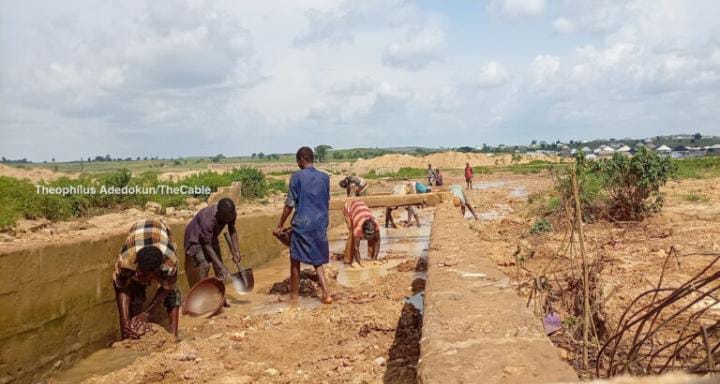
The deaths occurred after the individuals were arrested during enforcement operations targeting suspected illegal mining around the M.I. Wushishi and Lukoto areas of Niger State on September 15 and 16. The deaths were initially reported as 33 before the number was later confirmed at 37.
The incident has triggered investigations at federal and state levels, the suspension and detention of NSCDC personnel linked to the incident, and growing demands for answers about the conditions in which the detainees were held.
What Is Known About the Deaths
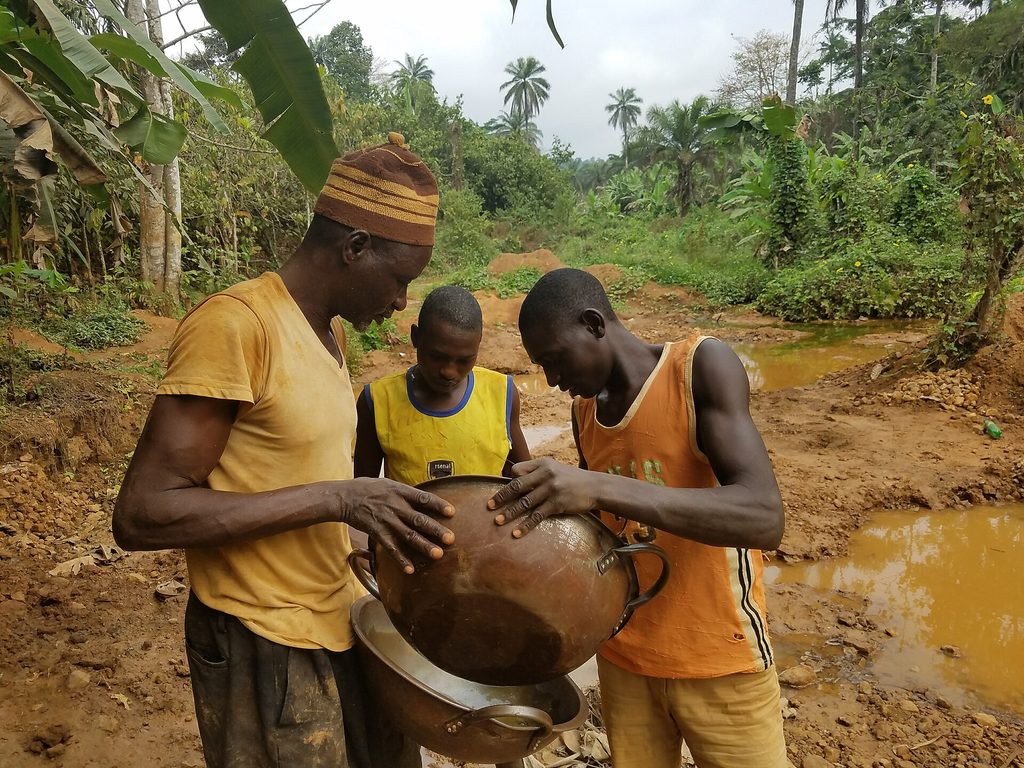
The 37 detainees died while in the custody of the Nigeria Security and Civil Defence Corps in Minna, Niger State. According to the National Human Rights Commission (NHRC), the detainees had been arrested during enforcement operations in the Wushishi-Lukoto area.
The NHRC opened a preliminary investigation shortly after the deaths were reported and called for an independent forensic autopsy and preservation of evidence. The commission said the fact that the individuals were suspected of illegal mining did not remove their fundamental rights while in custody.
The precise medical cause of the deaths has not been officially established. That distinction is important because several explanations and allegations have circulated since the incident, while investigators are still examining medical, forensic and other evidence.
The Federal Government Has Set Up an Independent Panel
Following a directive from President Bola Ahmed Tinubu, the Federal Government constituted a 10-member Independent Investigative Committee to examine the deaths. The committee was inaugurated by Interior Minister Olubunmi Tunji-Ojo and has a two-week mandate to complete its work and submit its report.
The committee is chaired by retired Department of State Services Deputy Director-General Jonathan Kure, while Professor Isa Hayatu Chiroma, a Senior Advocate of Nigeria and former Director-General of the Nigerian Law School, serves as secretary. Its membership also includes representatives of the Minna Emirate Council and Niger State Government, the Miners Association of Nigeria, a lawyer and human-rights activist, a newspaper representative and a public affairs analyst.
Its mandate includes establishing the identities of the deceased, examining the circumstances of their arrest and detention, determining the cause and circumstances of the deaths, and investigating whether responsibility, negligence, misconduct or other factors contributed to the incident.
The committee can also access relevant facilities and documents, visit locations connected to the incident, co-opt specialists and receive information from members of the public.
Medical Experts Are Now Examining the Deaths
The investigation has moved into its medical and forensic phase. The committee’s medical team has begun work aimed at determining the cause, mechanism and manner of the deaths.
Investigators are expected to use medical examinations, forensic evidence, documents and information from people connected to the incident to establish what happened. The committee has also said it will visit relevant locations and interview survivors, suspects and other people with material knowledge of the events.
Until those investigations are completed, the underlying cause of the deaths should not be treated as settled.
What Survivors Have Alleged
Survivor accounts have added another layer to the investigation. Reuters reported that survivors alleged that an unidentified substance was sprayed inside a locked cell after detainees complained about the conditions. Reuters said it could not independently verify those accounts or determine what substance, if any, was involved.
Those accounts are therefore part of the evidence and allegations being examined, rather than an established explanation for the deaths.
Earlier reports also raised questions about overcrowding, ventilation and possible exposure to substances associated with mining activities. Nigerian authorities have stressed that medical and laboratory examinations, including autopsies, are needed before a definitive conclusion can be reached.
NSCDC Personnel Have Been Suspended and Detained
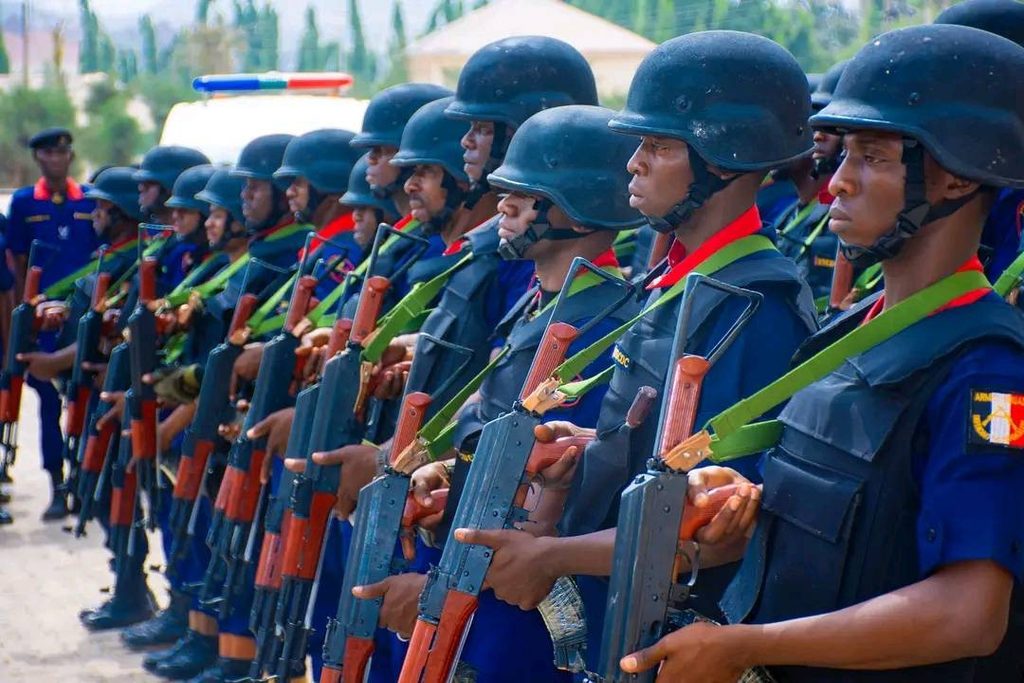
The deaths have also led to administrative action within the NSCDC. The Interior Ministry announced the suspension of the Niger State Commandant and other officers connected with the incident pending the investigation. The NSCDC later said that 24 personnel linked to the incident had been taken into protective custody at its national headquarters in Abuja.
The purpose of those measures is to keep the personnel available to investigators while the circumstances surrounding the deaths are examined. They do not, by themselves, establish individual criminal responsibility.
Niger State Is Conducting Its Own Inquiry
The investigation is not limited to the Federal Government’s panel. Niger State Governor Umaru Bago has also inaugurated a nine-member judicial commission of inquiry to investigate the circumstances surrounding the deaths.
The state commission has a four-week mandate and is expected to examine the legality and circumstances of the arrests, the conditions and treatment of the detainees, the circumstances of their deaths, and questions of responsibility and accountability. It will also examine medical and forensic evidence.
This means multiple investigative processes are now operating around the same incident, with the federal and state inquiries approaching the questions from their respective mandates.
Why the Cause of Death Remains the Central Question
The central unresolved issue is not simply how many people died, but what caused their deaths and whether conditions or actions during their detention contributed to them.
That question requires investigators to reconstruct what happened from the moment the detainees were arrested through their detention, medical treatment, the emergence of symptoms and the deaths themselves.
The National Human Rights Commission has specifically called for forensic evidence to be preserved, while the Federal Government’s committee has been given authority to obtain documents, visit relevant locations and speak with people who may have information about the incident.
What Happens Next
The independent federal committee is expected to complete its assignment within two weeks of its inauguration. Its findings should help establish the identities and circumstances of the deceased, the conditions surrounding their detention, the medical cause of death and whether negligence, misconduct or other responsibility can be established.
The Niger State judicial commission has a longer four-week timetable and is conducting its own examination of the incident. Meanwhile, the medical investigation remains crucial to resolving competing explanations about what caused the deaths.
For now, the most significant development is that the investigation has moved beyond initial reactions and allegations into a formal evidence-gathering process. The findings of those investigations will determine what happened and whether any individuals or institutions should face further action.
The Questions Nigeria Is Waiting to Have Answered
The deaths of 37 detainees have raised questions that extend beyond the original illegal-mining arrests: Were the detainees held under lawful and safe conditions? What medical care did they receive? What happened inside the detention facility before the deaths? What caused the fatalities? And did any action, omission or failure of duty contribute to them?
Those questions now sit at the centre of the federal and state investigations. Until the medical and investigative processes are completed, the facts surrounding the deaths remain incomplete.
S.O.B. will continue to follow the investigation as authorities work to establish what happened and what actions, if any, should follow from the findings.
Stay informed with S.O.B.: Join our newsletter for more global and Nigerian news, analysis and updates.
Stay Ahead. Stay Informed.

Get the latest stories, insights and updates from Simbad Ozibe Blog — covering News, Technology, Business, Finance, Travel, Gaming, Entertainment and more.
Join our growing community and never miss a story worth knowing.