
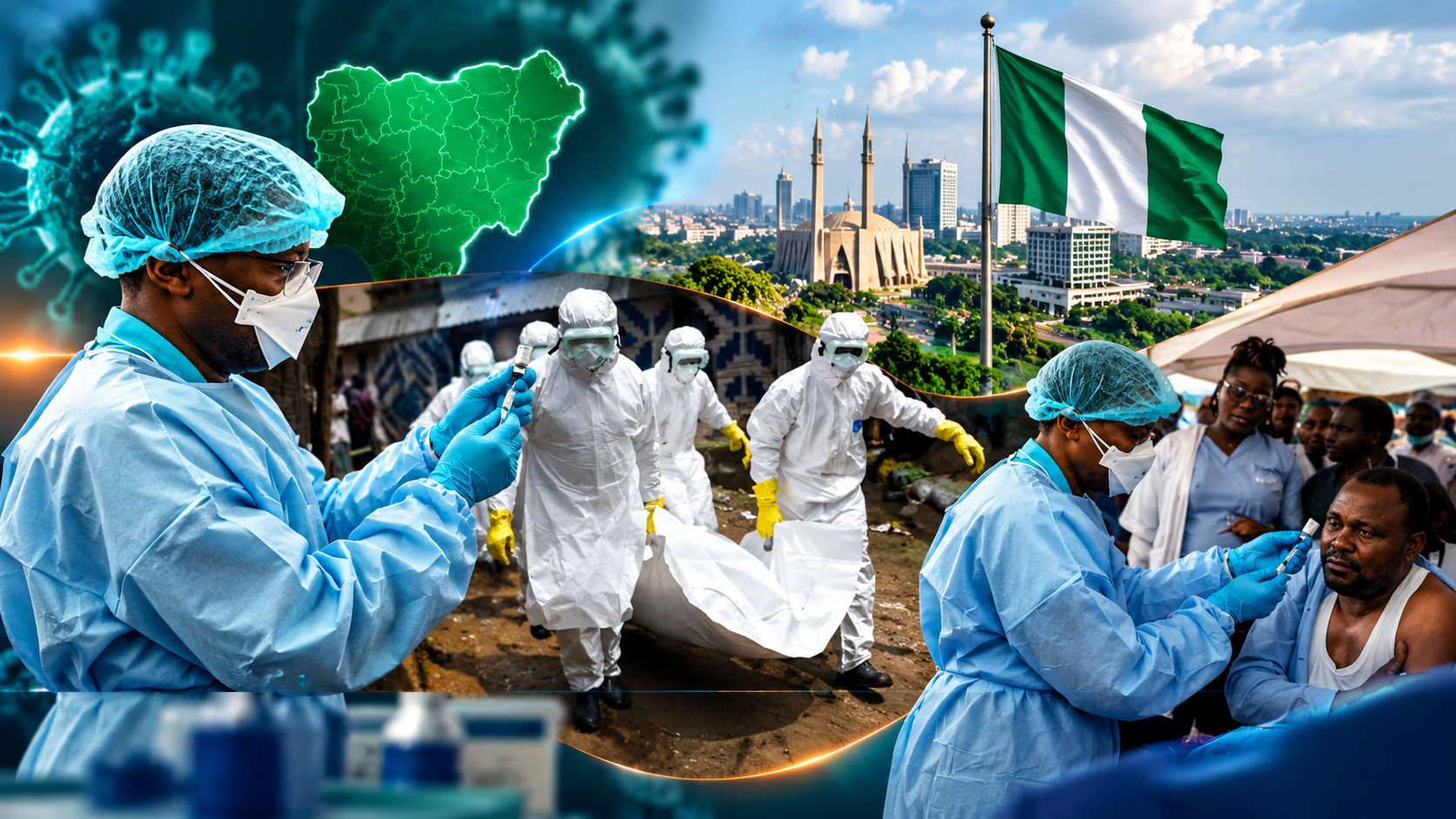
Nigeria has urged 15 states to accelerate their Ebola preparedness plans as the Federal Government expands its response following the confirmation of an imported case of Bundibugyo virus disease in the Federal Capital Territory (FCT), Abuja.
The Coordinating Minister of Health and Social Welfare, Professor Muhammad Ali Pate, disclosed the preparedness gap during government briefings, saying 21 states had updated or strengthened their response plans while the remaining 15 were being urged to expedite their arrangements. The development highlights the importance of coordinated state-level readiness as health authorities work to prevent further infections.
According to PUNCH’s report of October 23, hospitals nationwide have been instructed to prepare isolation capacity, strengthen infection prevention and control, and ensure that healthcare workers are equipped to respond to suspected cases.
Nigeria expands preparedness beyond Abuja

The preparedness directive follows the Federal Government’s confirmation on October 20 of one imported Ebola disease case in the FCT. Laboratory testing identified the Bundibugyo virus, a type of Ebola virus distinct from the Zaire ebolavirus responsible for the major West African outbreak of 2014–2016.
The World Health Organization’s Regional Office for Africa reported that the patient was a woman with a recent travel history to Uganda. She developed symptoms on October 7, sought medical care at a private health facility in Abuja on October 11, and received laboratory confirmation on October 20.
At the time of the initial announcement, 44 close contacts had been identified for monitoring. Investigations were continuing to establish the likely source of infection and reconstruct the patient’s travel and exposure history.
The case prompted intensified surveillance and infection-control measures at the facility where the patient received treatment. The Nigeria Centre for Disease Control and Prevention (NCDC) activated its incident management system to coordinate the response with federal and FCT health authorities and international partners.
Hospitals urged to strengthen infection control
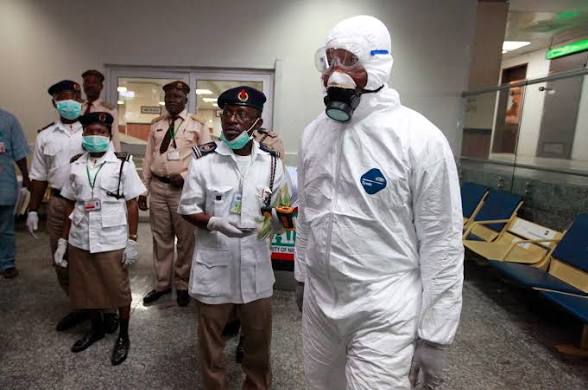
The government’s instructions place particular emphasis on early detection, prompt reporting, isolation arrangements and protection for frontline healthcare workers. Public and private health facilities have been urged to remain alert to suspected cases and promptly notify public health authorities.
Private healthcare providers are an important part of the response because the confirmed patient initially sought treatment at a private facility. Delays in recognising a suspected infection or applying appropriate precautions can expose healthcare workers, other patients and caregivers.
The Federal Government has also highlighted coordination, detection at points of entry, laboratory testing capacity, logistics for essential supplies and personal protective equipment, and clear public communication as priorities for an effective response.
According to Voice of Nigeria’s report on the National Economic Council briefing, the government has called on states that have yet to complete their response arrangements to accelerate the work. The aim is to ensure that preparedness is not limited to the location where the confirmed case was detected.
How did the patient become infected?
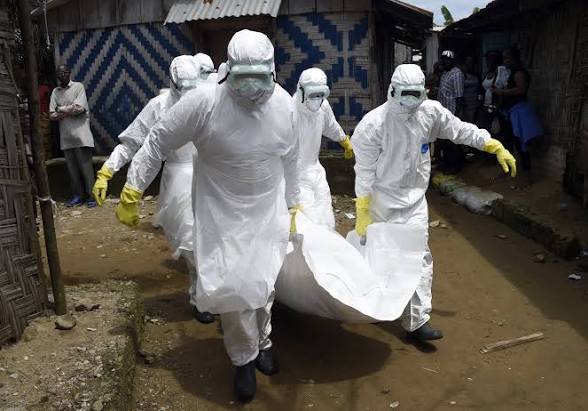
The source of the patient’s infection has not been conclusively established in the official information reviewed for this report. Her travel history is an important part of the investigation, but it does not by itself prove where or how she contracted the virus.
Reuters reported on October 23 that investigators were examining different possible exposure routes, including the patient’s recent movements and potential links to the wider regional outbreak. These possibilities remain under investigation and should not be treated as confirmed transmission routes.
The WHO has called for continued regional vigilance, effective contact tracing, strong infection prevention and control, laboratory readiness and rapid investigation of alerts. The organisation has also advised against restrictions on travel or trade with affected countries as a general response to this event.
What Nigerians should know about Ebola
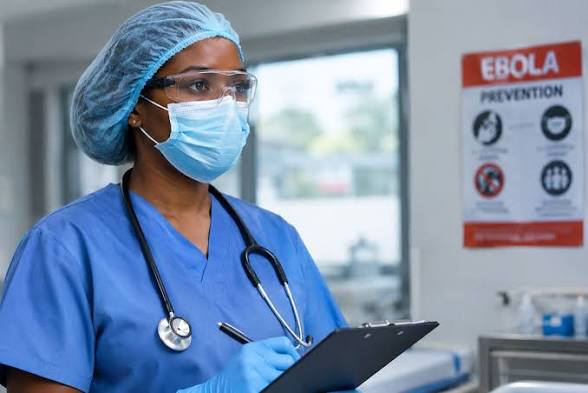
Ebola disease is a serious illness that can spread through direct contact with the blood or other bodily fluids of an infected person who is showing symptoms, or through contaminated objects. It is not spread simply because someone lives in the same country as a confirmed patient.
Symptoms can include fever, weakness, headache, muscle pain, vomiting and diarrhoea. These symptoms can also occur with other illnesses, so symptoms alone cannot confirm Ebola. Anyone who believes they may have been exposed should follow public health advice, avoid exposing others and contact health authorities promptly rather than attempting to diagnose the illness independently.
Nigerians should rely on verified updates from the Federal Ministry of Health and Social Welfare, the NCDC and the WHO. People contacted by public health teams should cooperate with official monitoring and guidance, while avoiding the spread of rumours or the stigmatisation of people who may have been exposed.
Subscribe to our newsletter!
Preparedness remains critical as investigations continue
The call for 15 states to strengthen their response plans underscores the importance of early detection and coordinated preparedness. While authorities continue investigating the source of the confirmed infection, effective surveillance, hospital readiness and timely communication will remain central to preventing further transmission.
The number of confirmed cases, contact-tracing findings and the patient’s clinical status should be updated as new official information becomes available. The preparedness figures reported on October 23 reflect the minister’s briefing and should not be interpreted as proof that Ebola has spread across the 15 states.
For more verified global and African news, health developments and technology stories, visit Simbad Ozibe Blog. You can also join our newsletter for more stories and updates.
You can also checkout!
Stay Ahead. Stay Informed.

Get the latest stories, insights and updates from Simbad Ozibe Blog — covering News, Technology, Business, Finance, Travel, Gaming, Entertainment and more.
Join our growing community and never miss a story worth knowing.