
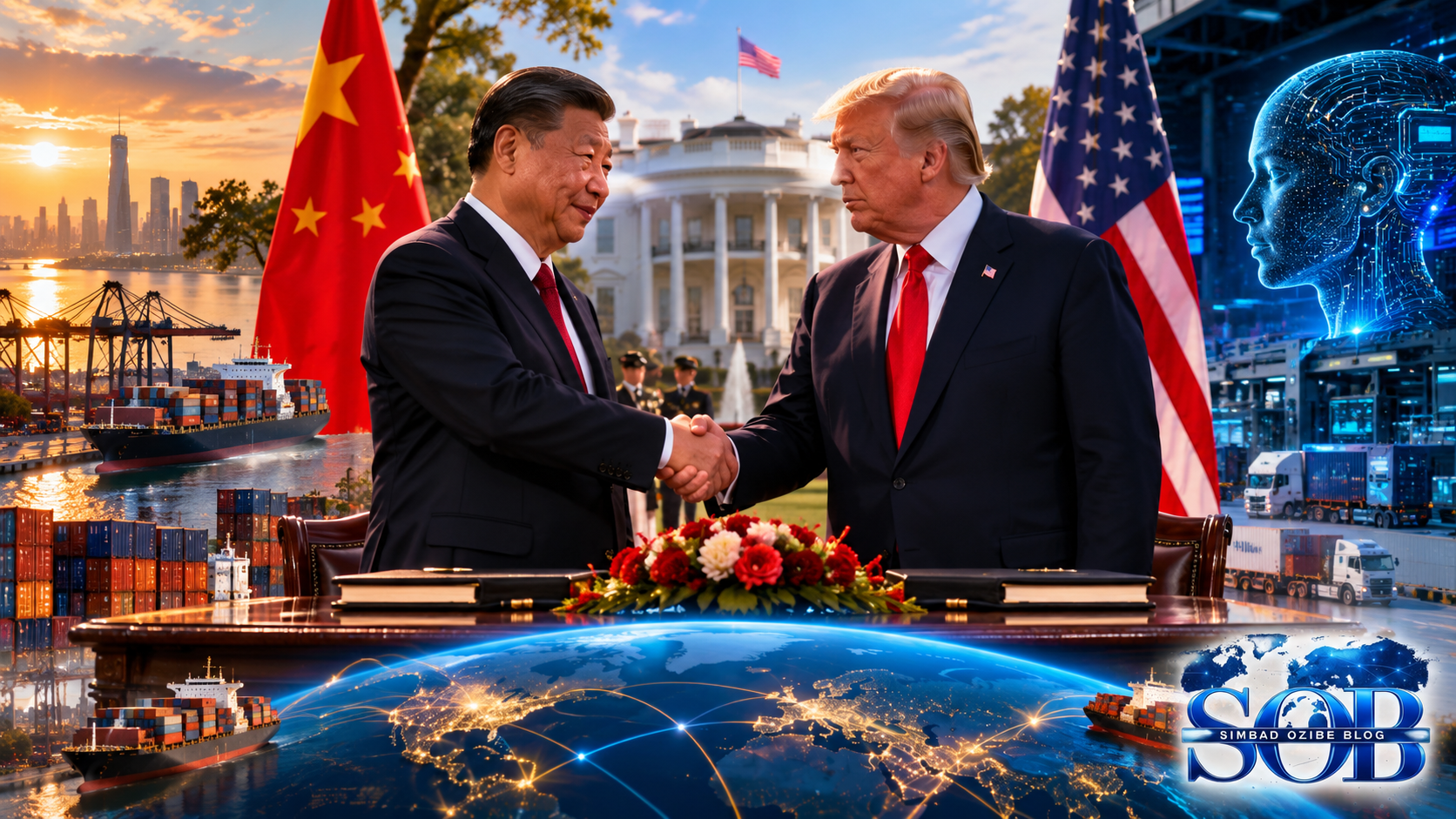
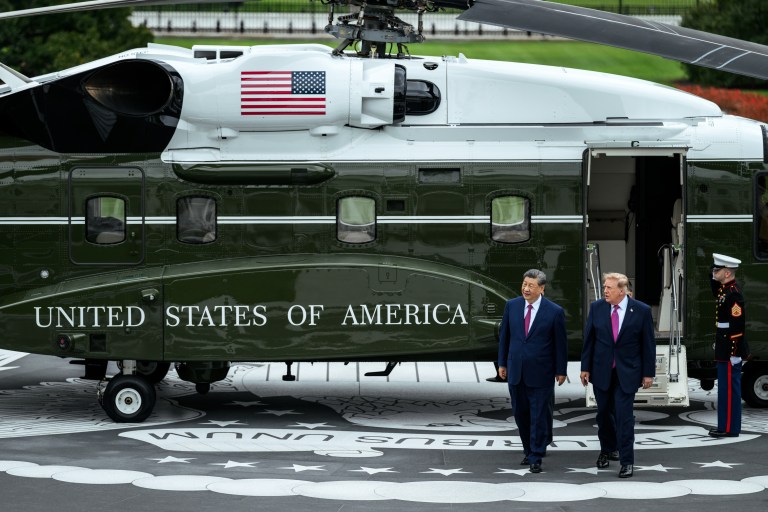
China and the United States have agreed on a framework for $30 billion in reciprocal tariff reductions and established a new bilateral dialogue on artificial intelligence following Chinese President Xi Jinping’s three-day visit to Washington.
The agreements were announced on September 26 after Xi’s September 23–25 state visit, which produced an eight-point set of understandings covering trade, artificial intelligence, international issues and other areas of bilateral cooperation.
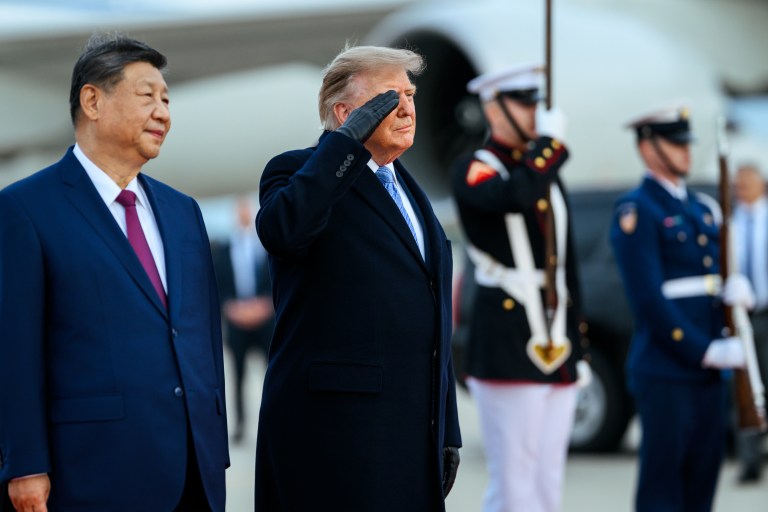
According to Reuters, China said the two countries had reached an arrangement for a reciprocal tariff reduction covering about $30 billion in trade, while also agreeing to launch an AI dialogue. The Chinese government separately described the outcome as part of eight deliverables and understandings reached during Xi’s visit.
What the $30 Billion Tariff Arrangement Covers
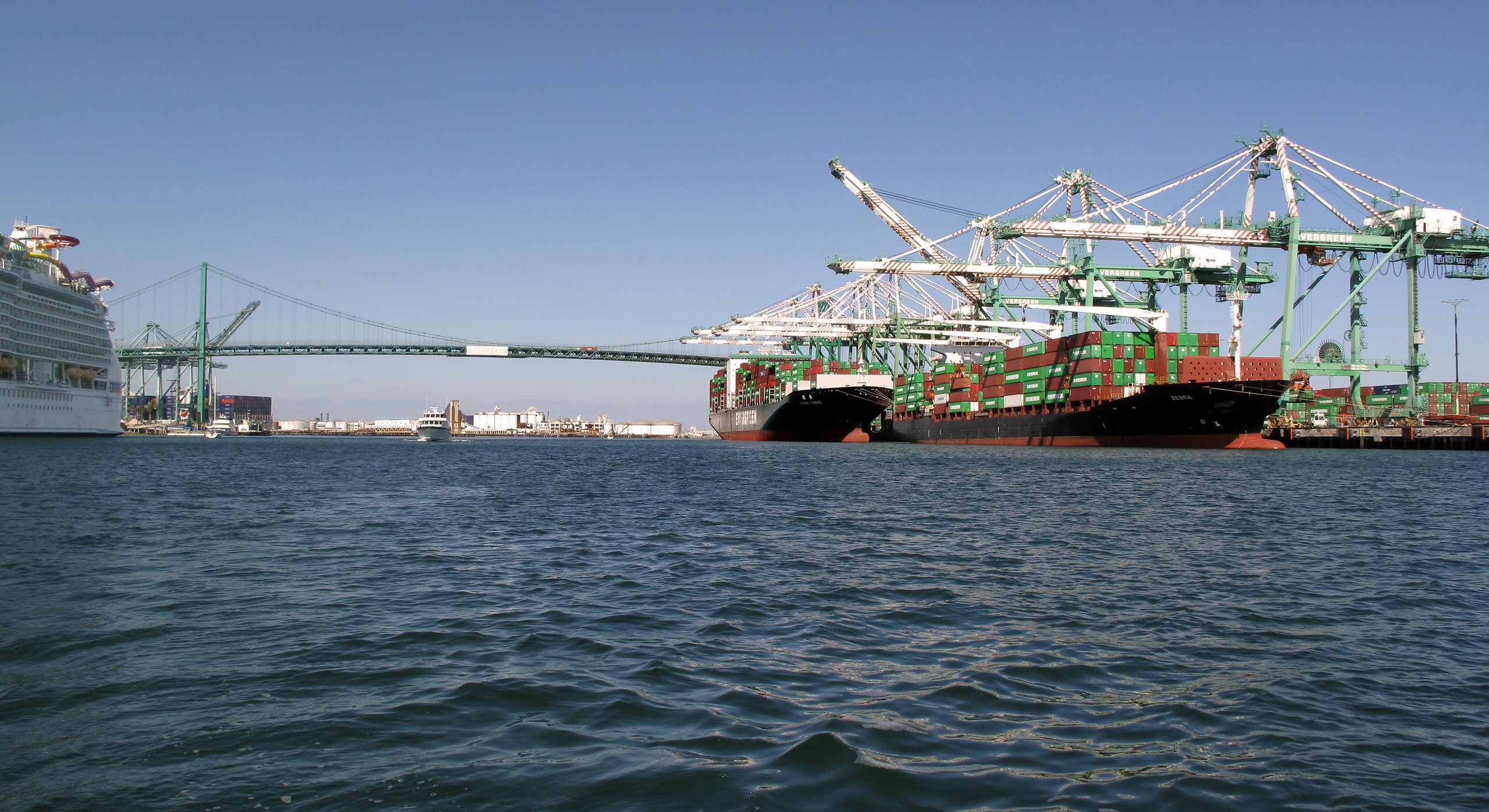
The tariff arrangement focuses on providing more favourable treatment for approximately $30 billion worth of non-sensitive goods in each direction.
The White House said the two governments reached consensus on recommendations for more favourable tariff treatment for $30 billion of non-sensitive goods exported by each country.
The categories identified on the U.S. side include agricultural products, fish and seafood, logs and wood products, cosmetics and medical devices. The arrangement is being handled through the newly operationalized U.S.-China Board of Trade.
For businesses and consumers, the significance of the arrangement will depend on how the tariff recommendations are implemented and how individual product categories are ultimately treated. The announcement therefore represents a framework for tariff changes rather than evidence that every affected product will immediately become subject to a lower rate.
A New U.S.-China AI Dialogue

Trade was not the only major area addressed during the summit.
China and the United States also agreed to establish a bilateral dialogue focused on artificial intelligence, creating a formal channel for discussions about the risks and benefits associated with rapidly developing AI technologies.
The Chinese Mission to the European Union said the two sides agreed that the next exchange would take place in November 2026 and would be accompanied by a bilateral communication channel for AI incidents.
The White House described the mechanism as the U.S.-China Super Intelligence Dialogue, saying it would provide a forum for exchanging views on the risks and benefits of what it called “super intelligence.” The two countries also agreed to establish a communication channel for incidents involving the technology.
The development is notable because artificial intelligence has increasingly become part of the broader strategic relationship between Washington and Beijing, alongside trade, advanced technology, semiconductors and national security.
Why the Trade Agreement Matters Beyond China and the U.S.
The world’s two largest economies have spent years imposing tariffs, export restrictions and other trade measures on each other, creating uncertainty for companies that depend on international supply chains.
A reduction in tariffs on selected goods could therefore affect more than bilateral trade. Companies operating across manufacturing, agriculture, consumer products, medical equipment and other sectors may ultimately see changes in the cost of moving goods between the two markets.
However, the latest agreement does not eliminate the broader economic tensions between the two countries. The tariff framework covers a defined group of non-sensitive products, while other disputes involving technology, market access, strategic industries and national security remain part of the wider relationship.
The Broader Economic Relationship Remains Complicated
The latest understanding follows months of negotiations aimed at preventing further escalation in the U.S.-China trade relationship.
Earlier discussions had also focused on agricultural purchases, critical minerals, aircraft and other areas where the two governments have competing economic interests. Not all of those issues have been resolved.
That makes the September agreement significant without making it a comprehensive settlement of the economic relationship. Instead, it adds another mechanism through which Washington and Beijing can manage selected areas of disagreement while continuing negotiations on more difficult issues.
Xi’s Visit Produces Eight Areas of Understanding
The tariff and AI agreements formed part of a broader eight-point outcome announced after Xi’s visit.
According to the Chinese government’s account, the two sides also agreed to support each other as hosts of upcoming APEC and G20 meetings, discussed international issues including Iran, expanded cooperation between law-enforcement agencies and reaffirmed mechanisms for economic and trade consultations.
The two governments also agreed to establish and advance the Board of Trade and Board of Investment mechanisms that had been discussed during earlier negotiations.
What Happens Next
The immediate focus will shift from the summit announcements to implementation.
For the tariff arrangement, governments will need to translate the recommendations covering non-sensitive goods into practical trade measures. Businesses will be watching for details about product eligibility, timing and the precise tariff treatment that will apply.
On artificial intelligence, the next major milestone is the planned November 2026 exchange. The new communication channel could also become relevant if either country faces an AI-related incident with implications for national security or bilateral relations.
The bigger question is whether these new mechanisms can produce sustained cooperation in areas where the two countries remain deeply competitive.
A New Phase in a Closely Watched Relationship
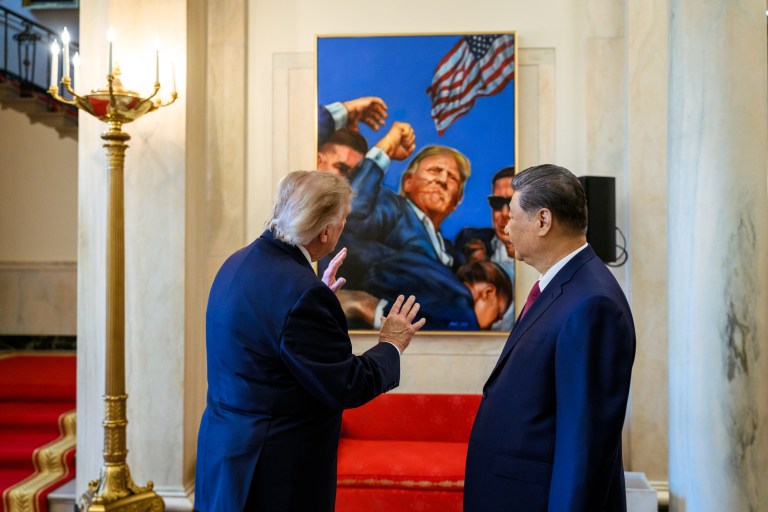
The latest China-U.S. agreements do not end the strategic and economic competition between the world’s two largest economies. They do, however, create new channels for managing some of the most consequential areas of disagreement.
The $30 billion tariff arrangement gives businesses a defined area of potential trade relief, while the new AI dialogue creates a formal avenue for Washington and Beijing to discuss a technology that is increasingly tied to economic competitiveness and national security.
How much those agreements ultimately change the relationship will depend on implementation, the November AI discussions and whether further progress can be made on the issues that remain unresolved.
For the global economy, the developments are worth watching closely: changes in the world’s most important bilateral trade relationship can eventually reach supply chains, technology markets, businesses and consumers far beyond the borders of China and the United States.
Stay informed with Simbad Ozibe Blog’s newsletter for more global news, business, technology and economic developments.
Watch Now!
Stay Ahead. Stay Informed.

Get the latest stories, insights and updates from Simbad Ozibe Blog — covering News, Technology, Business, Finance, Travel, Gaming, Entertainment and more.
Join our growing community and never miss a story worth knowing.