
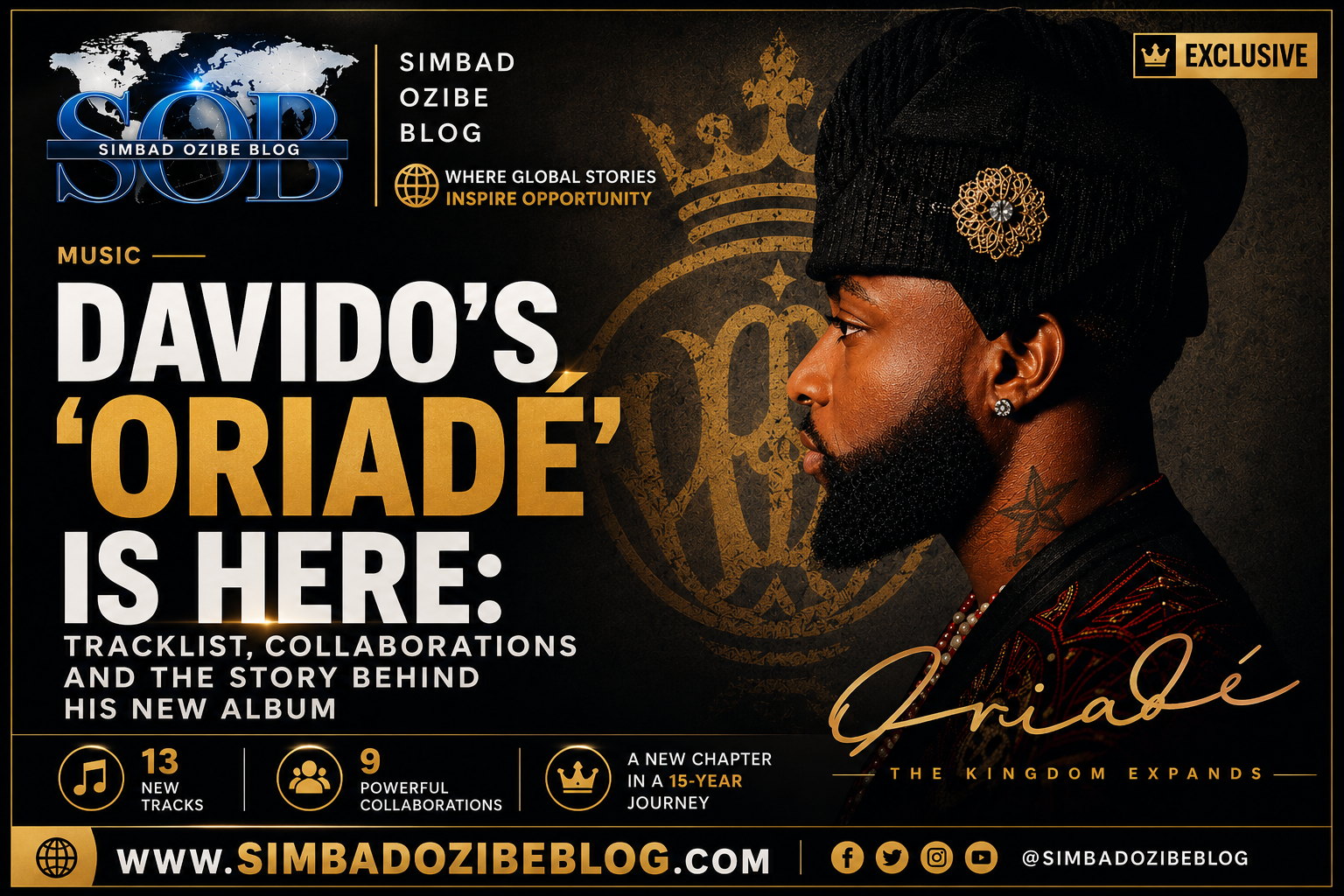
Davido is no longer simply releasing another album. With Oriadé, the Nigerian superstar is putting a name to a moment in his career that has been 15 years in the making.
His sixth studio album arrives on July 31, 2026, following the release of 5ive in 2025 and marking another stage in a career that has grown from Nigerian pop breakthrough to global Afrobeats prominence.
But the significance of Oriadé begins before the first song plays.
The title itself points toward the story Davido wants this era to tell. Built from Yoruba words associated with ori — the head, inner self or destiny — and adé, meaning crown, Oriadé carries an idea of destiny meeting fulfilment. Davido has connected that meaning directly to his own journey, describing music as a path he trusted before he could fully understand where it would lead.
That makes the album more than a collection of new records. It is being presented as a reflection on identity, purpose, African excellence and the journey that brought Davido to this point.
And for an artist who has spent more than a decade helping shape the international conversation around African music, the timing could hardly be more appropriate.
Davido’s ‘Oriadé’ at a Glance
| Fact | Details |
|---|---|
| Artist | Davido |
| Album | Oriadé |
| Release date | July 31, 2026 |
| Studio album | Sixth |
| Number of tracks | 13 |
| Previous studio album | 5ive (2025) |
| Lead single | I Know Who I Be |
| Other pre-release single | Gimme Dat Ting |
| Featured artists announced | Black Sherif, Mayorkun, Fola, Leon Thomas, Aya Nakamura, Llona, JAZZWRLD, GL_Ceejay and NO11 |
| Core themes | Purpose, destiny, identity, African excellence and personal growth |
‘Oriadé’ Arrives at a Defining Moment for Davido

There is a reason the release of Oriadé feels bigger than a routine album announcement.
Davido has spent roughly 15 years building a career that mirrors the rapid transformation of African popular music itself. From the early success of Dami Duro and his 2012 debut Omo Baba Olowo: The Genesis, he developed into one of the most recognisable artists associated with the global rise of Afrobeats.
His catalogue has continued to evolve through projects including A Good Time, A Better Time, Timeless and 5ive. His career timeline and discography are documented in detail by Wikipedia’s Davido biography, while Apple Music’s artist catalogue provides a current overview of his recorded projects.
What makes Oriadé particularly interesting is that Davido is approaching this stage of his career with a different kind of framing.
He is not presenting himself as an artist trying to prove that he belongs.
Instead, the language surrounding the project is about knowing who he is, understanding where he came from and embracing the position he has reached.
That distinction matters.
After years of international collaborations, major tours, award nominations and increasingly global audiences, Davido’s latest project is being positioned less as an introduction and more as a statement from an established artist reflecting on the road behind him while looking toward what comes next.
The Meaning Behind Davido’s ‘Oriadé’
If there is one element that provides the clearest doorway into the album, it is the title.
Oriadé combines Yoruba language and symbolism with a distinctly personal message. Davido has explained that the title connects the idea of ori — destiny or purpose — with adé, the crown.
That interpretation is consistent with the imagery used throughout the album’s rollout.
When Davido announced the project, he appeared in traditional Yoruba-inspired attire beside a throne and crown. The accompanying message — “The kingdom expands. Chosen long before the throne.” — reinforced the idea that the album would be concerned with destiny, identity and the place he has earned through his journey.
Premium Times reported that Davido described the project as deeply connected to his personal journey and his belief that music was part of his destiny. Channels Television likewise highlighted the Yoruba symbolism and the album’s themes of purpose and royalty in its reporting on the announcement.
That cultural framing gives Oriadé a different starting point from a conventional album rollout.
The album is not being introduced only through song titles, guest appearances and release dates. Its identity has been established through language, heritage and symbolism before listeners even encounter the full project.
A 13-Track Album in a Career Built Around 17-Track Projects
There is another detail that immediately separates Oriadé from Davido’s recent studio albums: its length.
The project contains 13 tracks.
That may not sound particularly unusual on its own, but it represents a clear change in Davido’s album formula. His previous five studio albums — Omo Baba Olowo: The Genesis, A Good Time, A Better Time, Timeless and 5ive — each contained 17 tracks, according to reporting from Channels Television and Davido’s published discography.
That makes Oriadé the shortest studio album of his career so far.
The reduction is more than a number.
It suggests a tighter creative package at a time when streaming-era albums can often become increasingly lengthy. With only 13 positions available, each song carries a greater share of the album’s identity, while the sequencing has less room for records that feel disconnected from the central idea.
Davido himself has described the project as a collection of 13 songs designed around different experiences, including records for women, records for men and songs that deal with struggle.
In other words, the shorter tracklist does not necessarily mean a narrower album. It can instead be read as an attempt to make the project more concentrated.
Davido Says He Is Taking the Sound Back Home

Perhaps the most revealing part of the Oriadé story is Davido’s description of its musical direction.
In interviews around the album announcement, the singer indicated that the project represents a return toward the African sound associated with the earlier part of his career.
That idea is important because Davido’s international growth has naturally brought him into contact with artists, producers and musical styles from around the world. His catalogue has frequently crossed Afrobeats with pop, R&B, dancehall, amapiano and other sounds.
With Oriadé, however, he has signalled a desire to reconnect more directly with the African foundation that established his identity in the first place.
That does not necessarily mean abandoning the international audience he has built.
Instead, it suggests that Davido sees his African identity as the foundation from which his global career continues to grow.
That approach is particularly relevant at a time when Afrobeats has become increasingly global. African artists no longer have to choose between representing where they come from and reaching audiences outside the continent.
Oriadé appears to embrace both sides of that equation.
Why the Album’s 15-Year Timing Matters
The July 31 release date was not chosen randomly.
Davido has tied the album to the 15th anniversary of his emergence in the music industry, making the project an opportunity to look back at the journey that brought him here.
That journey began with a young Nigerian artist whose early records quickly established him as a major new voice. It continued through a series of increasingly ambitious albums and collaborations before expanding into a global career.
The documented history of Davido’s career shows how dramatically that trajectory has developed: from his breakthrough period and debut album to Timeless, 5ive and now Oriadé.
For Davido, the anniversary gives the album an emotional backdrop.
For listeners, it creates another way of hearing the project.
Instead of asking only, “What are Davido’s new songs like?”, Oriadé invites a bigger question: what does an artist who has already spent 15 years at the centre of African pop culture choose to say next?
From ‘5ive’ to ‘Oriadé’
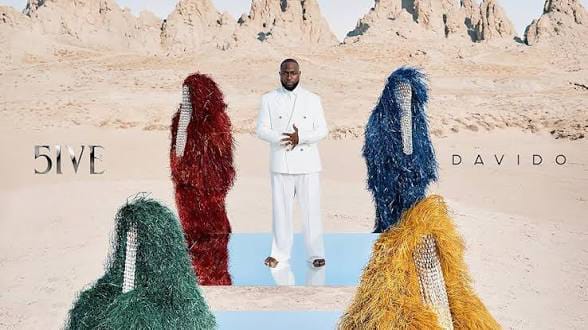
Oriadé follows 5ive, Davido’s fifth studio album, which arrived in April 2025.
5ive was itself a large collaborative project, featuring artists including Chris Brown, Victoria Monét, Becky G, Omah Lay, Shenseea, YG Marley, Odumodublvck, Chike and others. The album’s 17-track structure continued the format Davido had established across his previous studio projects.
For readers who want a broader look at that previous chapter, Wikipedia’s entry on 5ive provides background on the album’s release, collaborators and place in Davido’s discography.
Oriadé now moves the story forward.
Rather than attempting to simply reproduce the scale of 5ive, Davido has gone in a more compact direction. The album’s 13 tracks are supported by a carefully selected group of collaborators from Nigeria, Ghana, France and the United States.
That combination of a shorter tracklist, African-focused creative direction and a title rooted in Yoruba identity gives the new project its own personality.
The First Taste: ‘I Know Who I Be’
The album’s first major musical introduction came through I Know Who I Be, released ahead of the full project.
The title itself fits neatly into the broader message surrounding Oriadé.
Where the album title speaks about destiny and the crown, I Know Who I Be is framed around certainty of identity. It establishes a confident starting point for an album whose wider concept is about understanding one’s purpose and embracing the journey that led there.
The song features South African producers and artists JAZZWRLD and GL_Ceejay, giving Davido another opportunity to connect Nigerian Afrobeats with South African musical talent.
It also reinforces one of the defining characteristics of Davido’s career: collaboration as a bridge between African music markets.
The second pre-release record, Gimme Dat Ting, features NO11 and provided another indication of the music Davido was preparing to unveil.
Together, the early releases created the first pieces of the Oriadé puzzle before the complete album arrived.
Inside the ‘Oriadé’ Tracklist: 13 Songs, Several Worlds
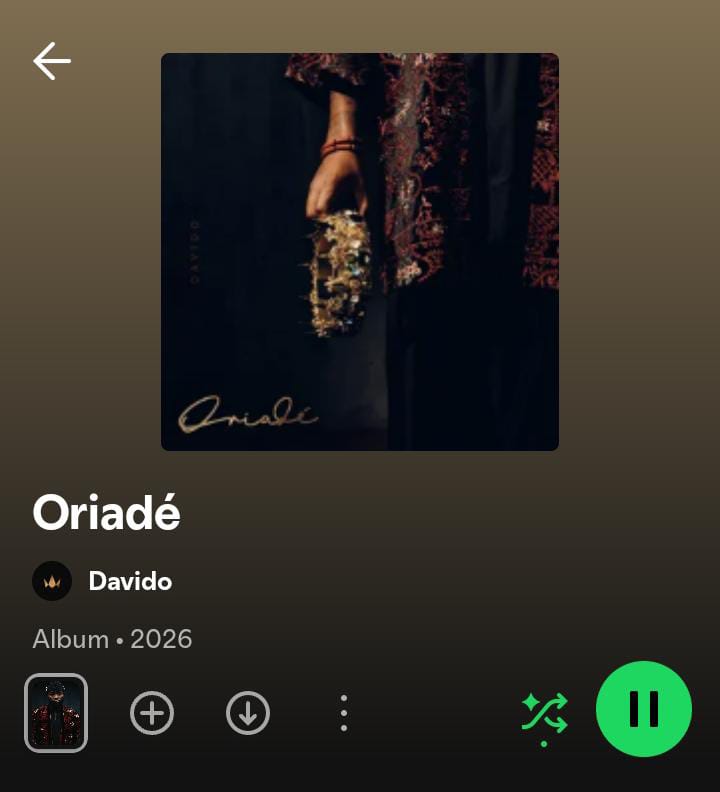
The full Oriadé tracklist reveals an album that is compact in size but deliberately broad in its musical reach.
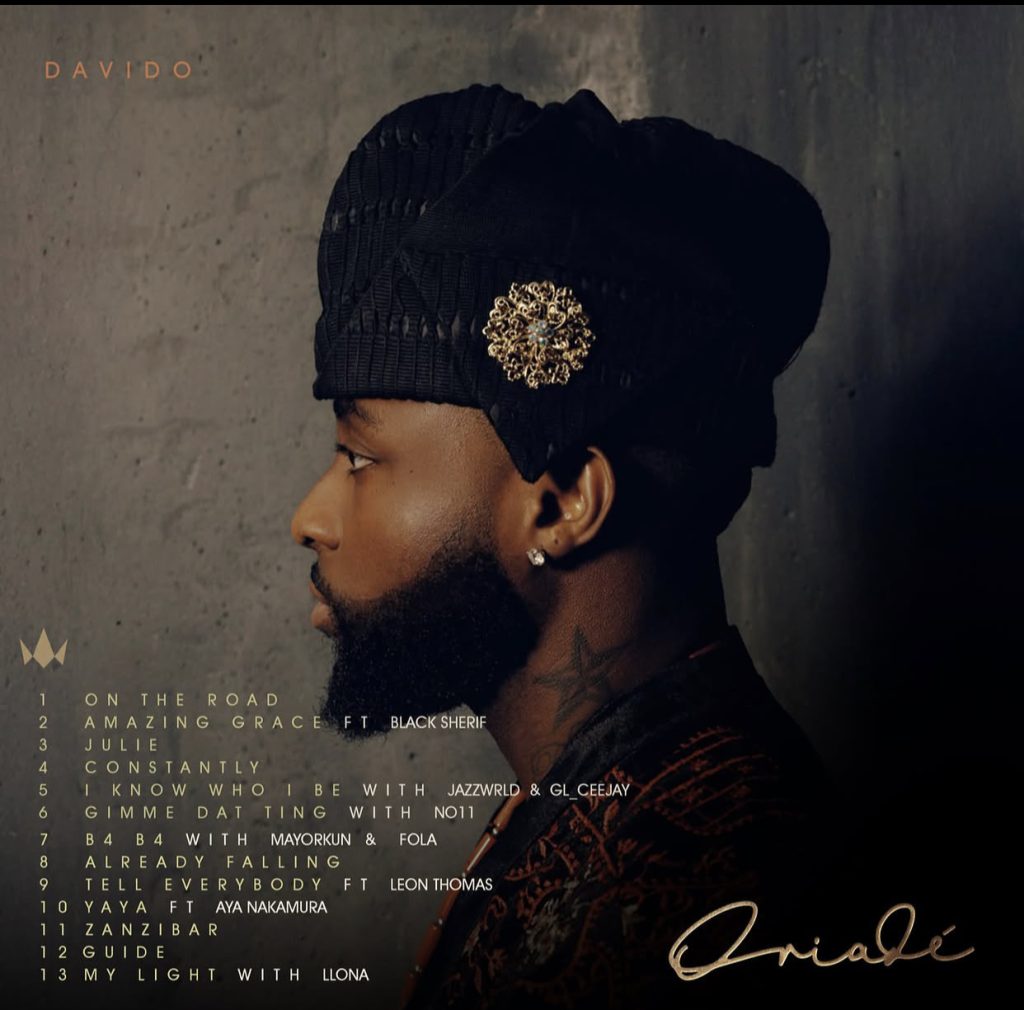
Davido has assembled 13 songs that move between solo performances and collaborations with artists from different parts of Africa and the international music scene. The official tracklist includes Black Sherif, Mayorkun, Fola, Leon Thomas, Aya Nakamura, Llona, JAZZWRLD, GL_Ceejay and NO11. Channels Television’s report on the tracklist also confirms that the project is Davido’s shortest studio album to date.
The complete tracklist is:
- Amazing Grace feat. Black Sherif
- Jaiye Foreign
- B4 B4 feat. Mayorkun & Fola
- Eyes On Me
- Tell Everybody feat. Leon Thomas
- I Know Who I Be feat. JAZZWRLD & GL_Ceejay
- Yaya feat. Aya Nakamura
- Gimme Dat Ting feat. NO11
- Awuke
- Offa Me
- Indomie
- My Light feat. Llona
- Holy Water
The arrangement is notable because the album does not rely entirely on high-profile guest appearances. Several tracks are Davido-led solo records, giving the singer space to establish the project’s identity without turning the album into a feature showcase.
That balance is important for a project carrying such a personal title. The collaborators expand the album’s world, but Davido remains its central voice.
Black Sherif Brings Ghana Into Davido’s New Chapter

Among the album’s collaborations, Amazing Grace featuring Ghanaian star Black Sherif is one of the clearest examples of the West African connection at the heart of Oriadé.
Black Sherif is the only Ghanaian artist featured on the 13-track project, according to reporting following the release of the official tracklist.
The collaboration also fits into the broader relationship between Nigeria and Ghana’s music industries. The two countries have long been central to the development and international expansion of contemporary West African popular music, with artists regularly crossing borders for collaborations and performances.
For Davido, bringing Black Sherif into Oriadé keeps that regional connection alive while giving the album another voice capable of carrying emotional weight.
Mayorkun’s Return Adds a Layer of History

B4 B4 brings together Davido, Mayorkun and Fola, creating one of the project’s more interesting combinations.
For longtime Davido listeners, Mayorkun’s presence carries an additional layer of history. Before establishing his own career as a solo artist, Mayorkun was closely associated with Davido’s DMW label and became one of the most recognisable artists in that camp.
The new collaboration therefore does more than add another name to the tracklist. It reconnects two artists whose careers have already crossed at an important stage of Nigerian pop music.
Fola’s inclusion gives the record another dimension, bringing a younger Nigerian voice into the collaboration.
It is one of several moments on Oriadé where Davido appears to be connecting different stages of African music rather than restricting the album to a single generation.
Aya Nakamura Expands the Album Beyond Anglophone Africa

Another collaboration immediately stands out for its international reach: Yaya featuring Aya Nakamura.
The French-Malian singer has built a major audience in Francophone markets, making her appearance on Oriadé a natural extension of Davido’s long-standing interest in connecting African music across language and geographical boundaries.
Her presence also strengthens one of the album’s clearest characteristics: it is African in its central identity while remaining outward-looking in its collaborations.
That distinction is particularly relevant to Davido’s comments about the album’s creative direction.
In his recent Billboard interview, Davido spoke about his 15 years in music, the meaning of Oriadé and his desire for the album’s sound and theme to be predominantly African. He also connected that decision to his experiences touring across Africa and the renewed appreciation those trips gave him for the culture that helped establish his career.
That context makes the collaboration with Nakamura particularly interesting. The album can look outward without losing its African centre.
Leon Thomas Adds an American Connection

On Tell Everybody, Davido is joined by American singer and songwriter Leon Thomas.
The collaboration gives Oriadé another international dimension, but it also fits within a pattern that has been present throughout Davido’s career: bringing artists from outside Nigeria into his musical universe while maintaining a strong African foundation.
Davido’s international collaborations have played a significant role in helping Nigerian music reach listeners outside the continent. His catalogue includes work with artists from the United States, the United Kingdom, the Caribbean and other African countries.
With Oriadé, however, the international element appears to serve the album’s African identity rather than overshadow it.
Llona Closes the Album With ‘My Light’
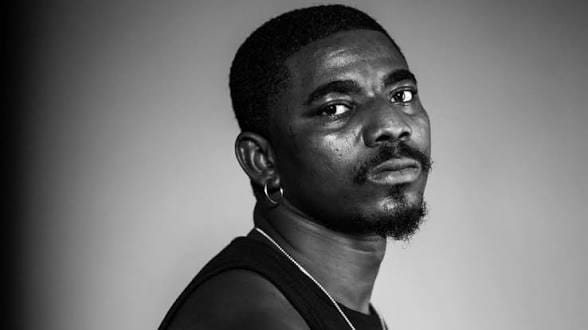
The final featured appearance comes from Nigerian singer Llona on My Light.
Closing an album with a younger or emerging voice can create a different kind of ending from placing the biggest guest artist on the final track. In the context of Oriadé, the choice fits the project’s wider mixture of established names and newer talent.
It also leaves the album with a title that naturally connects to its larger themes of direction, purpose and identity.
Whether listeners ultimately interpret My Light as a personal statement, a spiritual conclusion or simply the final song in the sequence will depend on the music itself. What can be established from the album’s rollout is that Davido has deliberately constructed a project whose titles and presentation repeatedly return to ideas of identity and purpose.
The Album Was Built Over Two Years
Davido’s comments about the making of Oriadé add another important layer to the story.
In his Billboard interview, he said he had been continuously creating and recording music over a period of roughly two years while also completing almost 60 tour dates.
That timeline helps explain why the album should not be viewed simply as a collection assembled in the weeks immediately before its release.
The project grew alongside a period in which Davido was simultaneously performing for audiences across different territories, releasing music and navigating the demands of an established global career.
It also explains why the album’s themes appear to be rooted in reflection.
Fifteen years into his career, Davido is no longer looking at music from the perspective of an artist waiting to discover whether the world will listen. He is looking back at a journey that has already taken him across continents and into one of the most visible positions in African popular culture.
Why Davido Wanted ‘Oriadé’ to Feel African

Perhaps the most revealing part of Davido’s explanation of the album is his decision to make its title, theme and sound predominantly African.
That choice comes after years of increasing globalisation in his music.
Davido has worked with some of the biggest names in international pop and R&B, and his music has increasingly travelled beyond the traditional Afrobeats audience. Yet his explanation for Oriadé suggests that international success has made him more interested in reconnecting with the foundation of his identity, not less.
His recent touring across Africa played a role in that thinking. According to the Billboard interview, returning to perform across the continent reminded him of the culture that helped bring him into the spotlight in the first place.
That is an important distinction.
Oriadé is not being marketed as a rejection of Davido’s global audience. Instead, it appears to be an attempt to make African identity the centre of a project created by an artist who now has the freedom to reach that audience from a position of international visibility.
Davido’s ‘Oriadé’ Is Also a Statement About African Identity
There is a larger story underneath the album rollout.
For much of the past decade, African artists who achieved international success were often discussed through the question of whether they could “cross over” into Western markets. The global growth of Afrobeats has changed that conversation.
Artists can now build international careers without treating their African identity as something they have to leave behind.
Davido has been one of the artists at the centre of that transition.
With Oriadé, he appears particularly interested in reversing the direction of the conversation: rather than asking how African music can become more international, the album asks how an internationally recognised African artist can use his global platform to place African identity even more firmly at the centre.
That is why the Yoruba title matters. That is why the royal imagery matters. And that is why Davido’s comments about “taking Afrobeats back home” matter.
The album’s international collaborations do not weaken that argument. They arguably strengthen it by demonstrating that African identity and global reach can exist within the same creative space.
What ‘Oriadé’ Says About Davido’s Current Position
There is a subtle confidence to the way this album has been presented.
Davido does not appear to be introducing himself to a new audience. He is speaking to an audience that already knows the name, the catalogue and the story.
That changes what an album can mean.
For a newer artist, a project can be about proving potential. For an established artist, it can become a way of defining the next phase of an already documented career.
Oriadé sits firmly in the second category.
The 13-track structure, the Yoruba title, the African-focused creative direction and the mixture of established and emerging collaborators all point toward an artist attempting to make the next stage of his career feel intentional.
Whether the album ultimately becomes one of Davido’s defining projects will be determined by its reception, longevity and cultural impact. Those are things that cannot responsibly be declared on release day.
But the story behind Oriadé is already clear enough to make the project significant.
It is the work of an artist looking back at 15 years of growth while deliberately turning his attention toward the culture, identity and sound that shaped the journey.
Where ‘Oriadé’ Sits in Davido’s Discography
Every new Davido album arrives with the weight of the projects that came before it.
That is particularly true for Oriadé, because Davido’s studio catalogue has developed alongside some of the biggest changes in African popular music over the past 15 years.
His debut, Omo Baba Olowo: The Genesis, introduced the world to an ambitious young artist with a distinctly Nigerian pop sound. A Good Time expanded that identity into a more international setting, while A Better Time pushed even further into global collaborations.
Then came Timeless, an album that became one of the most important chapters of Davido’s recent career, followed by 5ive in 2025.
Oriadé therefore does not exist in isolation.
It arrives after an established sequence of albums that have each captured a different stage of Davido’s artistic development. His documented discography provides the broader context, but the difference with Oriadé is immediately visible in its shorter tracklist and more explicitly African framing.
‘Timeless’ Set a High Bar

Any discussion of Davido’s recent music inevitably returns to Timeless.
Released in 2023, the album became a major cultural moment and generated widespread discussion around Davido’s return to music following a difficult period in his personal life.
It also demonstrated his ability to make a commercially ambitious project while retaining the musical identity that had made him one of Africa’s most recognisable artists.
Oriadé does not need to replicate Timeless to be successful.
In fact, trying to reproduce the exact formula of an earlier album would undermine the idea of a new chapter. The more interesting question is whether Oriadé can establish its own identity while meeting the expectations created by the projects that preceded it.
That is where the album’s central concept becomes important.
Timeless was about endurance and a return to the spotlight. Oriadé is being framed around destiny, identity and the crown. They are different emotional starting points for an artist at different moments in his career.
The Collaborations Tell Their Own Story
One way to understand Oriadé is through the people Davido chose to share the project with.
The album does not rely on one single generation of artists.
Black Sherif represents Ghana’s contemporary music scene. Aya Nakamura connects the project with Francophone audiences. Leon Thomas provides an American connection. Mayorkun represents a familiar Nigerian relationship from an earlier chapter of Davido’s career, while Fola and Llona bring newer Nigerian voices into the album’s wider picture.
JAZZWRLD, GL_Ceejay and NO11 further expand the project’s collaborative network.
That mixture matters because Davido’s career has always been partly defined by his ability to build musical relationships.
But there is a difference between collecting famous names and creating a meaningful collaborative album.
The real test for Oriadé will be whether these appearances feel necessary to the individual songs rather than simply functioning as promotional headlines.
That is something listeners will ultimately decide through repeated engagement with the project.
The Return to African Roots Is Perhaps the Album’s Biggest Story
For all the international names attached to Oriadé, the most interesting creative decision may be Davido’s stated desire to bring the project back toward Africa.
That decision carries weight because his career has travelled in the opposite direction for much of the past decade.
Davido’s global collaborations helped introduce his music to new audiences, while the broader Afrobeats movement transformed African pop from a regional success story into a major international cultural force.
Now, with Oriadé, Davido is looking back toward the source.
That does not mean the album has to sound exactly like his earliest records. Fifteen years of growth cannot simply be reversed.
Instead, the idea is about perspective.
Davido can approach African music from the position of an artist who has already travelled the world, performed across continents and worked with international stars. His relationship with African sound is therefore no longer the same as it was when he released his debut.
He is returning with experience.
Why the Yoruba Title Matters Beyond Branding
There is a temptation in modern music marketing to treat cultural references as visual branding alone.
Oriadé gives Davido an opportunity to make the culture behind the branding part of the album’s central narrative.
The use of Yoruba language is significant because Davido’s international audience extends far beyond Yoruba-speaking listeners. The title therefore asks global listeners to engage with a cultural expression that may require explanation outside its original context.
That is not a weakness.
It can actually become part of the album’s international appeal.
A global audience does not necessarily need every artistic idea translated into familiar Western language before it can become meaningful. Sometimes the cultural specificity is precisely what gives a project character.
In Oriadé, the crown and destiny imagery provides a framework that can be understood broadly while remaining rooted in Yoruba expression.
‘Oriadé’ Is Not Just About Davido Looking Back
Although the album is heavily connected to Davido’s 15-year journey, its significance is not limited to nostalgia.
There is also a forward-looking element.
The inclusion of artists from different generations and markets suggests that Davido is still interested in the future of African music, not only his own place within its history.
Mayorkun and Fola appear together on one track. Llona closes the album. Black Sherif represents another major West African market. Aya Nakamura brings a Francophone perspective. Leon Thomas connects the project with the American music industry.
That is a very different picture from an artist simply celebrating his own past.
Instead, Oriadé places Davido’s experience alongside a broader network of artists who represent where African and global music are heading.
The Album’s Most Interesting Tension: Global Reach vs. African Identity
At the heart of Oriadé is an apparent contradiction.
Davido is one of the African artists with the strongest international profiles, yet the album is being presented as a return to African roots.
Those two ideas do not actually have to conflict.
In fact, they may be the reason the album is interesting.
Davido can make music rooted in African culture while collaborating with artists from France, Ghana and the United States. He can perform for international audiences without changing the cultural foundation of his music.
That is arguably one of the biggest changes in African popular music since the beginning of Davido’s career.
The goal is no longer necessarily to make African music sound less African for international audiences.
The global audience has increasingly come to the music on its own terms.
Oriadé arrives inside that new reality.
Subscribe to our Newsletter to Never miss an article from us!
JOIN US NOW!
What Listeners Should Pay Attention to on ‘Oriadé’
For listeners approaching the album for the first time, the most useful way to experience Oriadé may be to look beyond the biggest names on the tracklist.
The album’s shorter structure makes sequencing more important. Instead of immediately judging the project through individual singles, listeners can pay attention to how the 13 songs work together.
The solo records are particularly important in that regard.
With collaborations occupying a significant portion of the album, the songs without featured artists provide opportunities to hear Davido’s own voice and artistic direction without another performer sharing the centre of the record.
The titles also deserve attention.
From Amazing Grace and Jaiye Foreign to Eyes On Me, I Know Who I Be, My Light and Holy Water, the project repeatedly touches on ideas that can be connected to identity, aspiration, spirituality and personal perspective.
Those themes do not necessarily mean every song should be interpreted as part of one literal storyline. But together, they contribute to the broader atmosphere surrounding the project.
What We Can and Cannot Say About the Album Yet
There is an important distinction between analysing an album’s concept on release day and declaring its long-term impact.
Oriadé is now available, but its eventual cultural footprint cannot be responsibly measured immediately.
Streaming numbers will develop over time. Individual songs may emerge as audience favourites. Critics will publish their assessments. Performances, social-media conversations and live shows may change how particular records are perceived.
Those developments should be allowed to happen before anyone declares Oriadé a definitive classic or a career-best project.
What can be established now is the intention behind the album: a compact 13-track project built around Davido’s 15-year journey, African identity, destiny and a carefully selected group of collaborators.
That is already enough to make the release worth examining on its own terms.
The Bigger Picture: What Davido’s New Era Could Represent
There is a larger cultural story sitting behind Oriadé.
Davido belongs to a generation of Nigerian artists that helped change the scale of African popular music. Artists who once had to work primarily through regional markets can now build global audiences while remaining deeply connected to their home countries.
Davido’s career is one example of that transformation.
But the next phase may be about something different.
The question is no longer simply whether African artists can become globally successful. That has already been demonstrated.
The more interesting question is what those artists do with global visibility once they have it.
Oriadé suggests that Davido’s answer is to lean further into African identity rather than move away from it.
That makes the project relevant beyond the boundaries of his personal discography.
Final Take: Davido Knows Where He Is Going
Oriadé arrives with a simple but powerful idea: destiny is not only about where someone is going; it is also about understanding the road that brought them there.
For Davido, that road stretches across 15 years of Nigerian pop culture, international collaborations, sold-out performances, personal highs and difficult moments, major albums and the continued expansion of Afrobeats around the world.
The album’s title places a crown on that journey.
But the crown is not presented as an ending.
It is a position from which the next chapter can begin.
With 13 tracks, a diverse group of collaborators and an explicitly African creative direction, Oriadé gives Davido another opportunity to define what this stage of his career sounds and feels like.
Whether the album ultimately becomes one of his most enduring projects will be decided by listeners over time. For now, its strongest statement is perhaps the one contained in its name: a career built around purpose, arriving at another moment of recognition.
And after 15 years, Davido is still moving.
‘Oriadé’ Tracklist
- Amazing Grace feat. Black Sherif
- Jaiye Foreign
- B4 B4 feat. Mayorkun & Fola
- Eyes On Me
- Tell Everybody feat. Leon Thomas
- I Know Who I Be feat. JAZZWRLD & GL_Ceejay
- Yaya feat. Aya Nakamura
- Gimme Dat Ting feat. NO11
- Awuke
- Offa Me
- Indomie
- My Light feat. Llona
- Holy Water
EXPLORE THE FULL ALBUM HERE
You can also watch!
Stay Ahead. Stay Informed.

Get the latest stories, insights and updates from Simbad Ozibe Blog — covering News, Technology, Business, Finance, Travel, Gaming, Entertainment and more.
Join our growing community and never miss a story worth knowing.